

How To Care For Scottish Fold and Straight Kittens
Congratulations on your new furry friend! Time to get ready to welcome your kitty!
-
![Cute British Scottish Fold Straight Kitten For Sale In Vancouver Portland Seattle USA]()
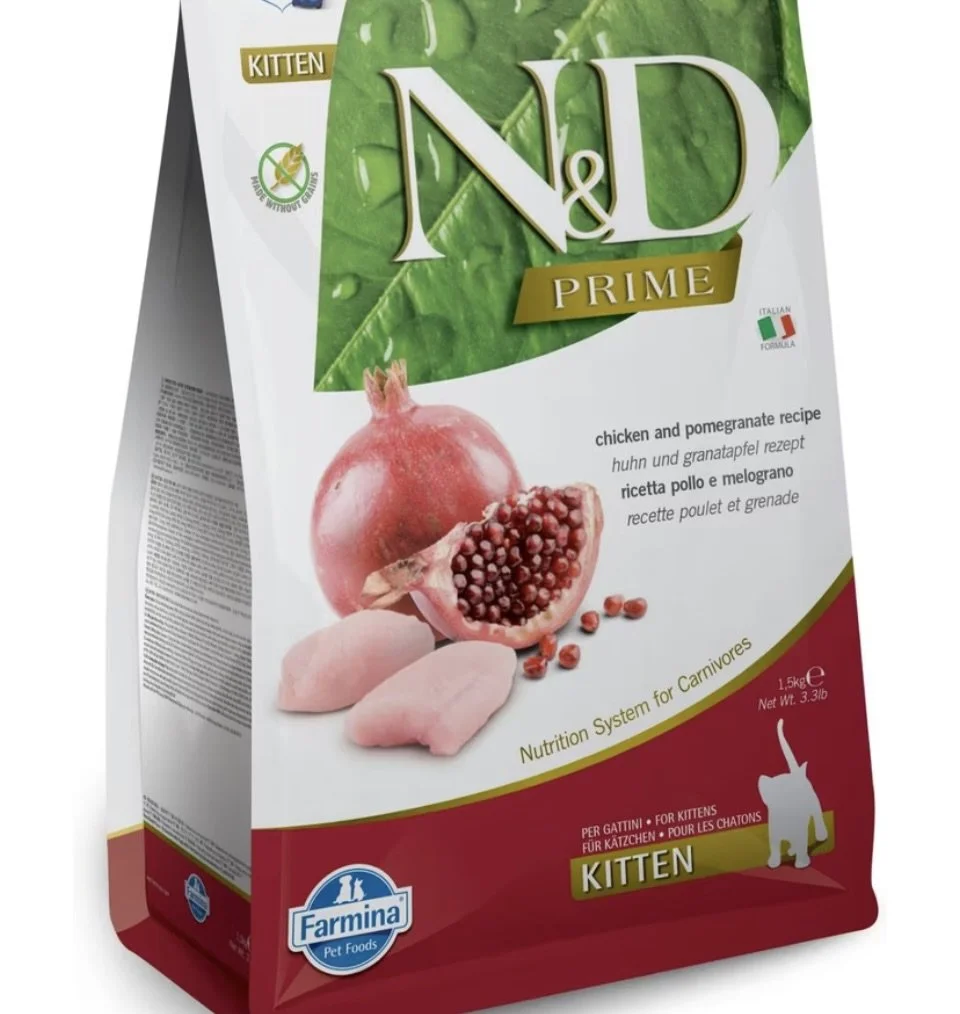
Farmina is the dry kitten food your kitty’s eating from 4-5 weeks of age, available 24/7 until kitty’s 7-10 mo. old. It supports nursing mom & kittens’ health. The smallest size kibbles - perfect for the youngest kitten to start on dry food & continue until 7-10 mo. of age.
-
![Cute British Scottish Fold Straight Kitten For Sale In Vancouver Portland Seattle USA]()
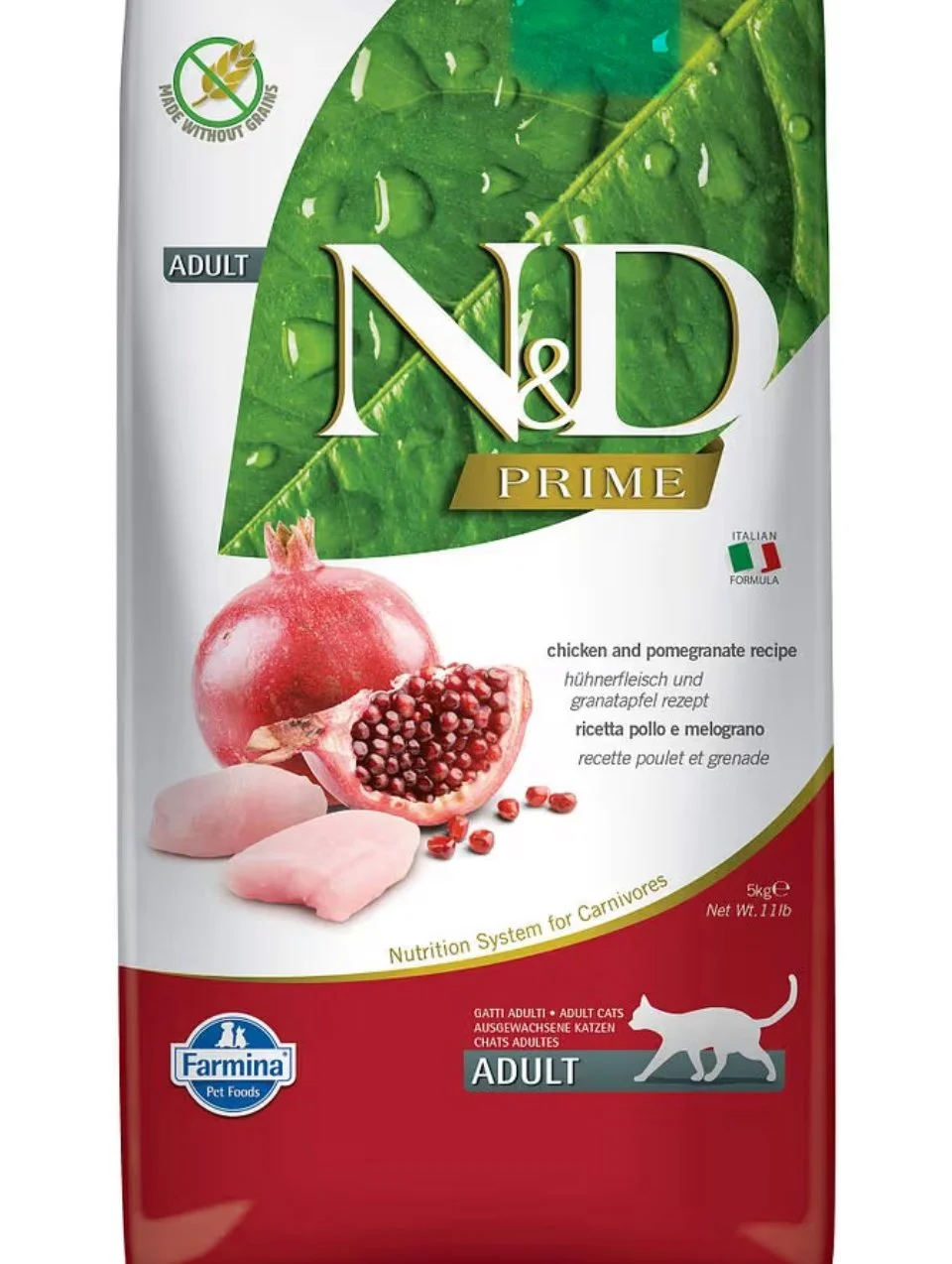
Around 7-10 months of age, you can transfer your kitty to an adult Farmina or different high quality holistic cat food, with higher meat content as cats are carnivores. Include wet food in your cat's diet as well. Ask your vet for an advice and, as always, research!
-
![Cute British Scottish Fold Straight Kitten For Sale In Vancouver Portland Seattle USA]()
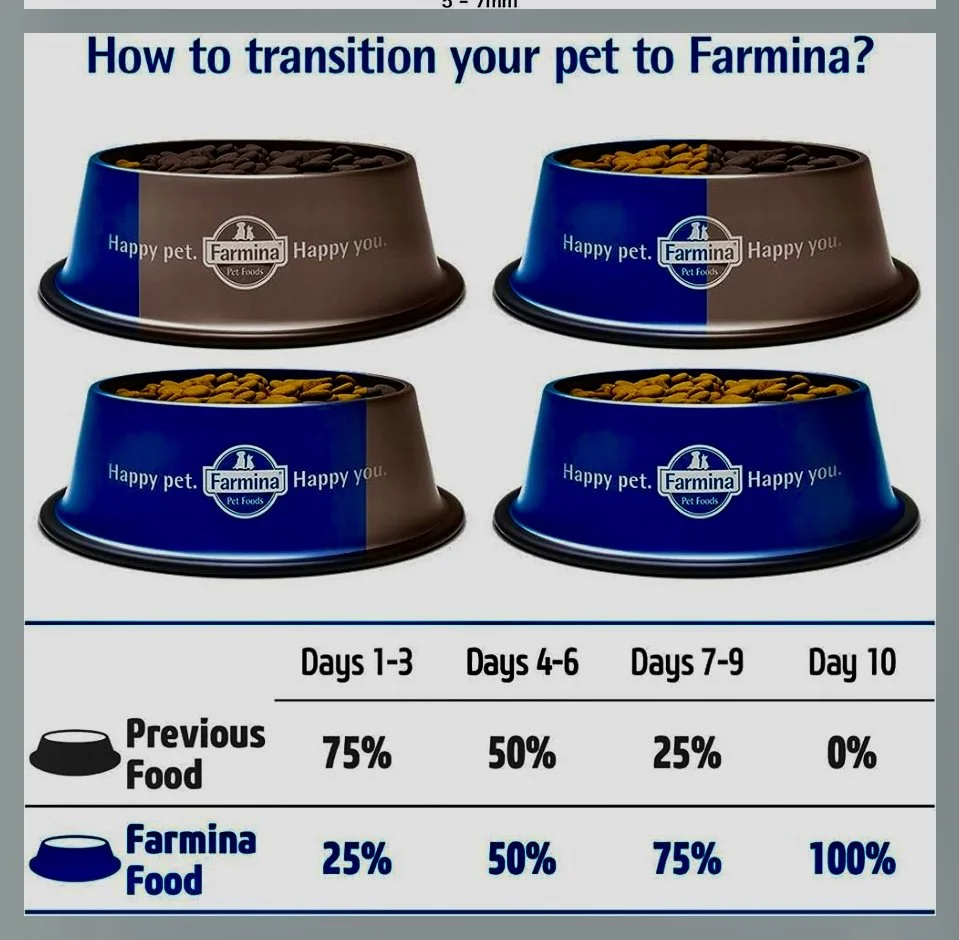
Just a little example / diagram from Farmina dry food on how to transfer from one kind of dry food to another one. It's more safe to transfer it in the 4 days increments. .
-
![Cute British Scottish Fold Straight Kitten For Sale In Vancouver Portland Seattle USA]()
Transfer your kitten to a new food slowly by adding 25% of a new food to the old one for the first 4 days, then 50% of the new food for next 4 days, then 75 % for another 4 days. After that, your kitten/cat can be 100% on a new food.
-
![Cute British Scottish Fold Straight Kitten For Sale In Vancouver Portland Seattle USA]()
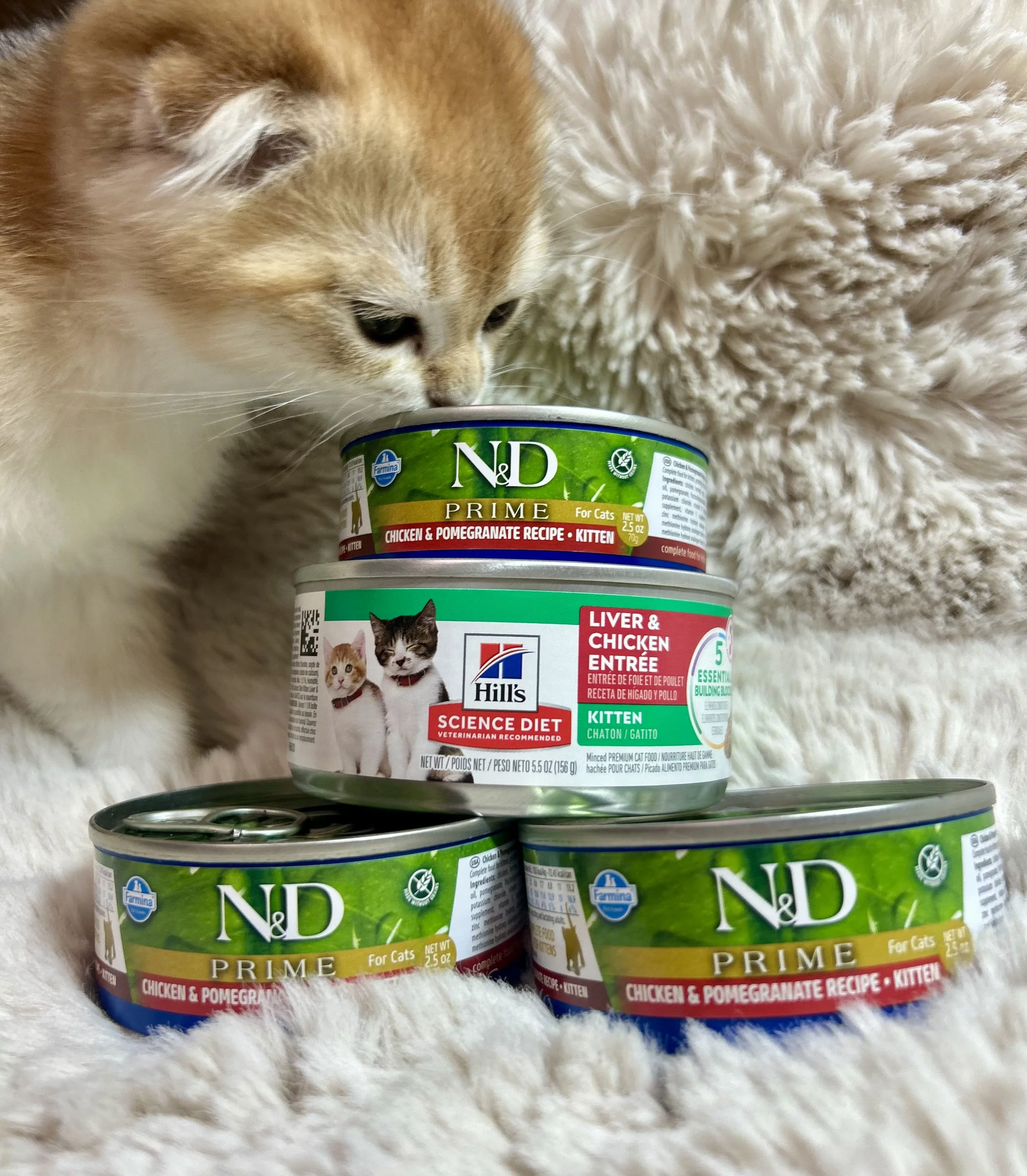
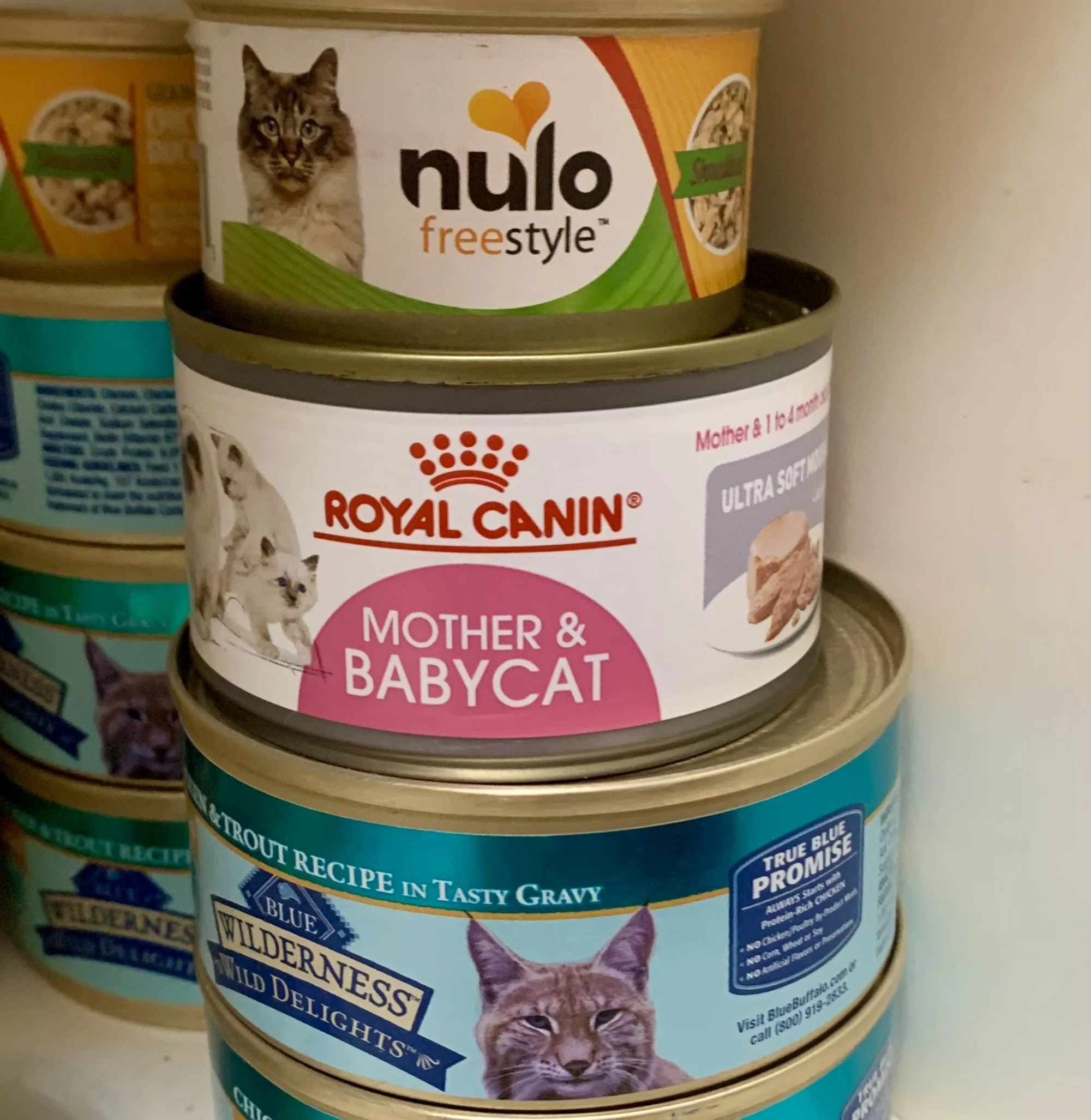
As an addition to dry food, your kitten was introduced to these brands of wet food. It contains the essential moisture needed to keep your growing kitten happy & healthy. 1 TBSP at least once a day at 10 weeks old, increasing amount as kitten grows.
-
![Cute British Scottish Fold Straight Kitten For Sale In Vancouver Portland Seattle USA]()
Kittens should be fed kitten food — both wet and dry — until they are at least eight months old, and then they can move to adult food. Always have plenty of fresh filtered water in a ceramic/ glass bowl changing it at least once a day..
-
![Cute British Scottish Fold Straight Kitten For Sale In Vancouver Portland Seattle USA]()
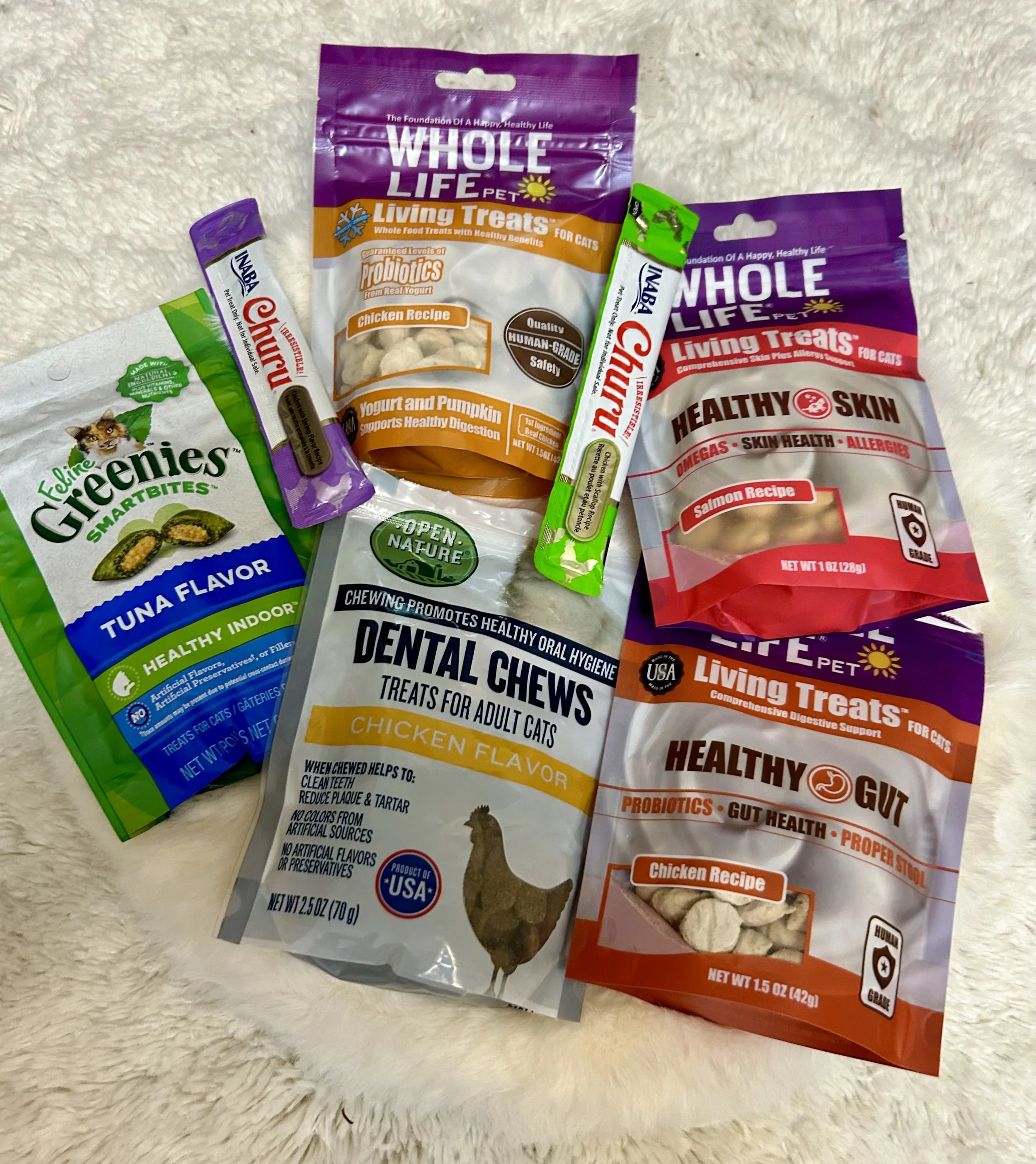
Treats simply make life more fun! And when given in moderation, they're great for helping you build a bond with your kitten, showing love, rewarding good behavior, using in training and much more! Look for healthy ones!
-
![Cute British Scottish Fold Straight Kitten For Sale In Vancouver Portland Seattle USA]()
Treats are usually designed to be delicious, not nutritious. Treats that are made from nutritious ingredients are better for your cat! Since cats are carnivores, look for treats made with high-quality protein (chicken, turkey, beef or fish, NO pork!).
-
![Cute British Scottish Fold Straight Kitten For Sale In Vancouver Portland Seattle US]()
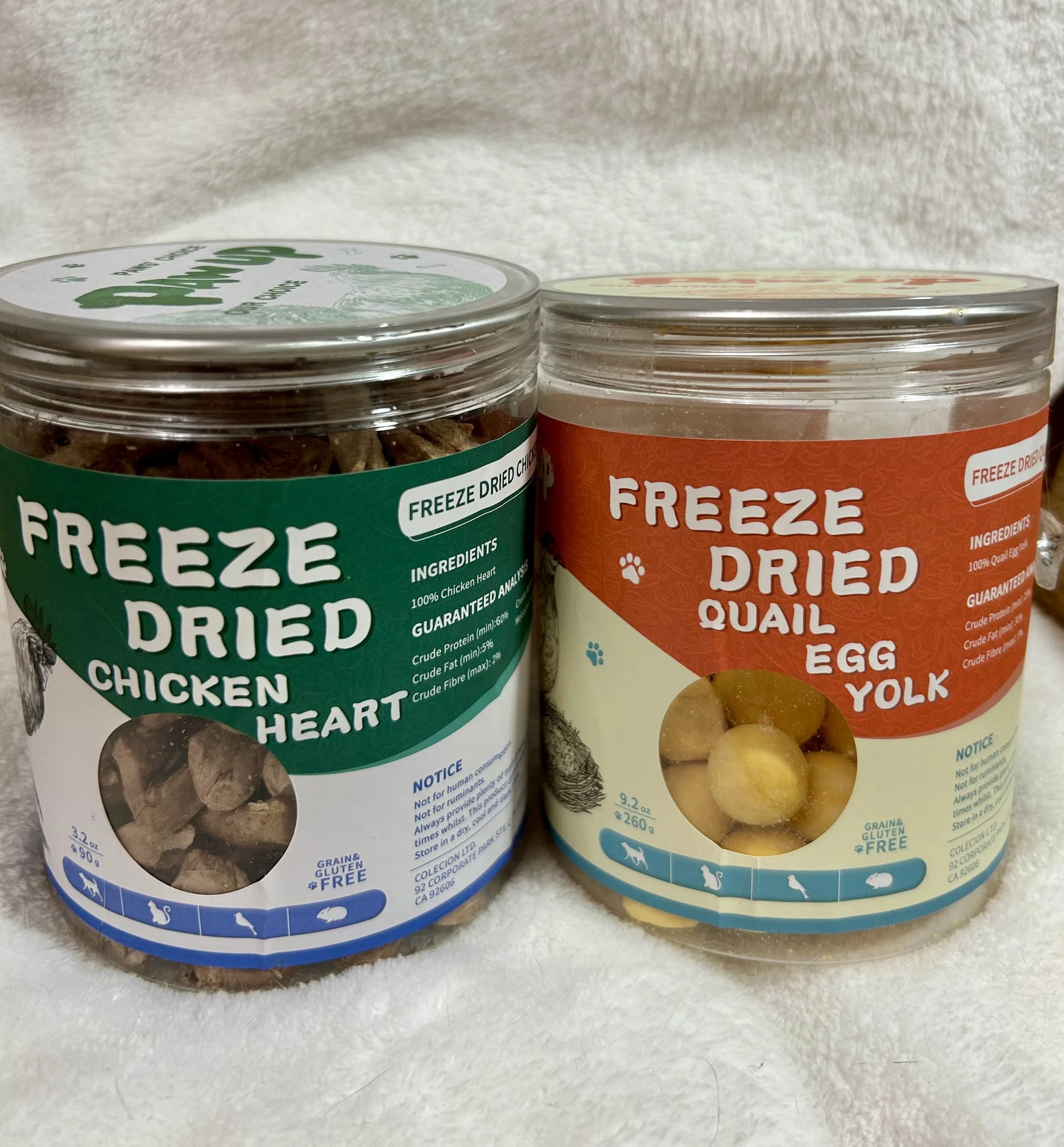
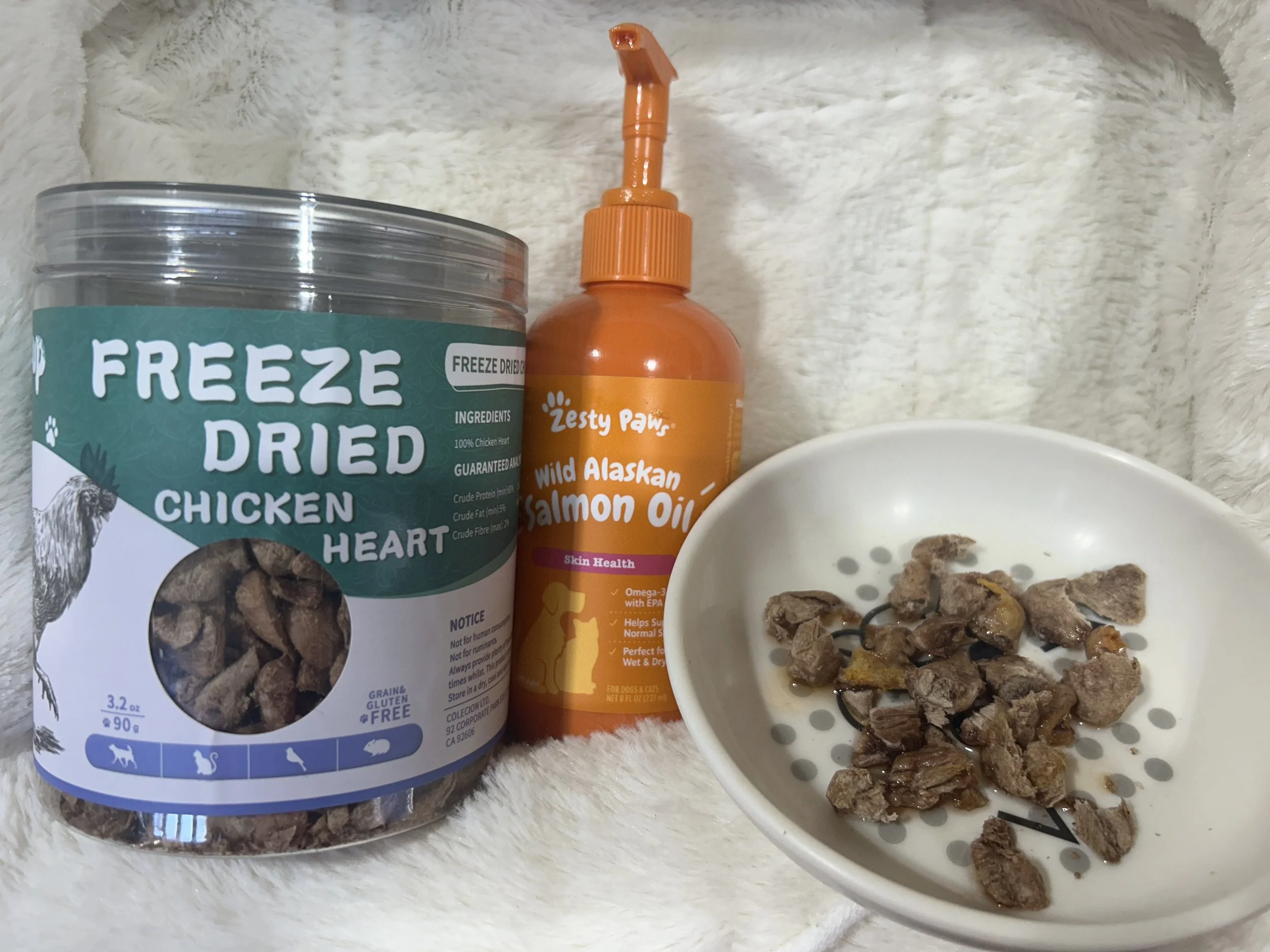
Always look for healthy high quality protein treats with NO artificial additives, gluten & grain free, with maximum essential nutrients. Freeze dried organ meat, chicken, salmon or quail eggs are one of them! Let your kitty safely enjoy healthy treats!
-
![Cute British Scottish Fold Straight Kitten For Sale In Vancouver Portland Seattle USA]()
Adding Omega-3 oils to freeze-dried cat treats is a highly effective way to deliver healthy fats to your pet, Place a single serving of freeze-dried treats into your cat's bowl and drizzle the recommended dosage of oil directly over them just before feeding.
-
![Cute British Scottish Fold Straight Kitten For Sale In Vancouver Portland Seattle USA]()
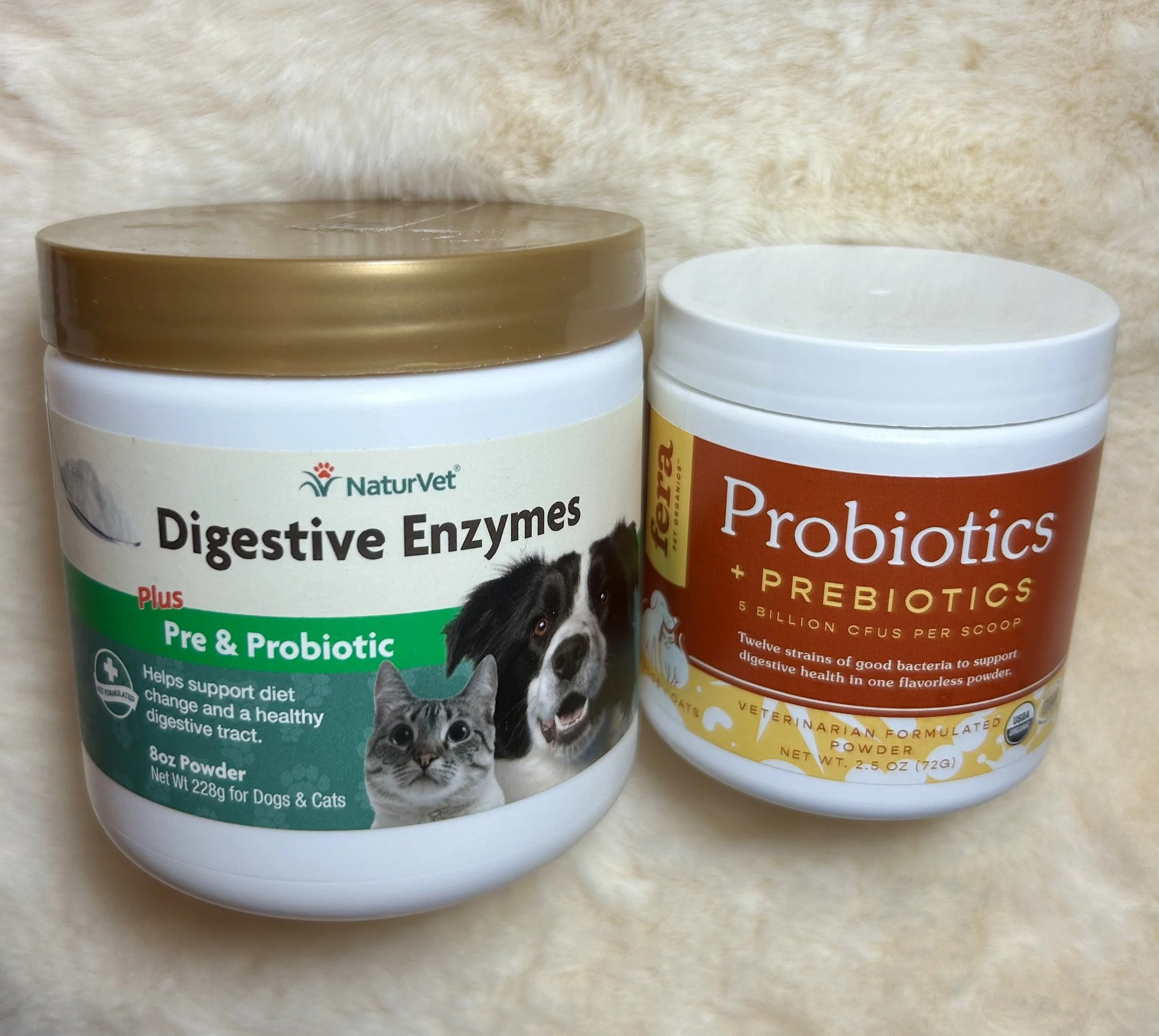
I add Probiotics to dry or wet food daily for good gut health and strong immune system. They can help maintain balance in the digestive tract. This can have a positive impact on your pet's overall health. Consult with your vet.
-
![Cute British Scottish Fold Straight Kitten For Sale In Vancouver Portland Seattle USA]()
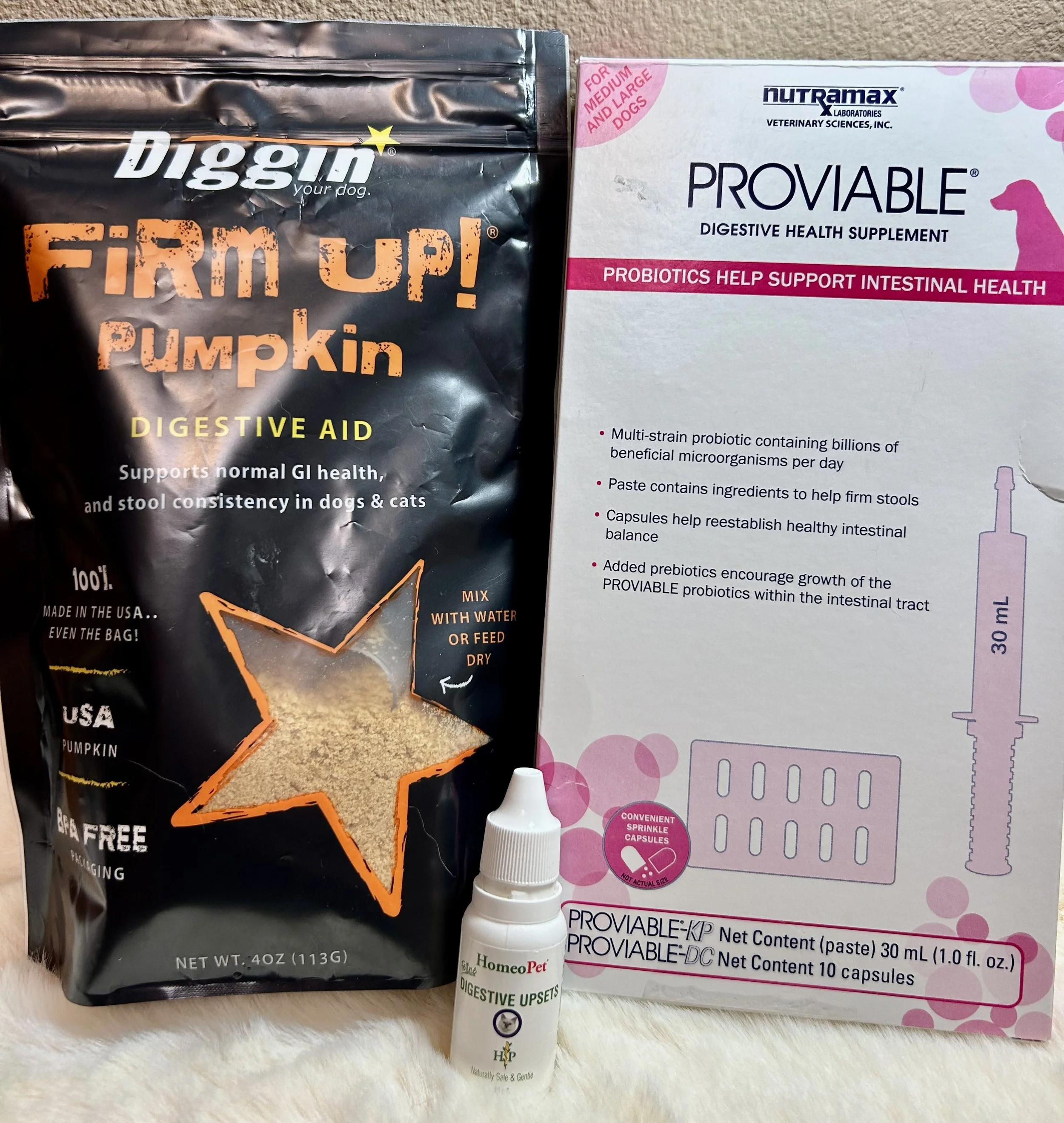
Kitten stool is too soft? Feed a consistent, kitten-specific diet, add probiotic to dry or soft kitten food daily, add fiber to diet. Always make sure you're keeping on top of their regular deworming and flea treatments. Contact your vet.
-
![Cute British Scottish Fold Straight Kitten For Sale In Vancouver Portland Seattle USA]()
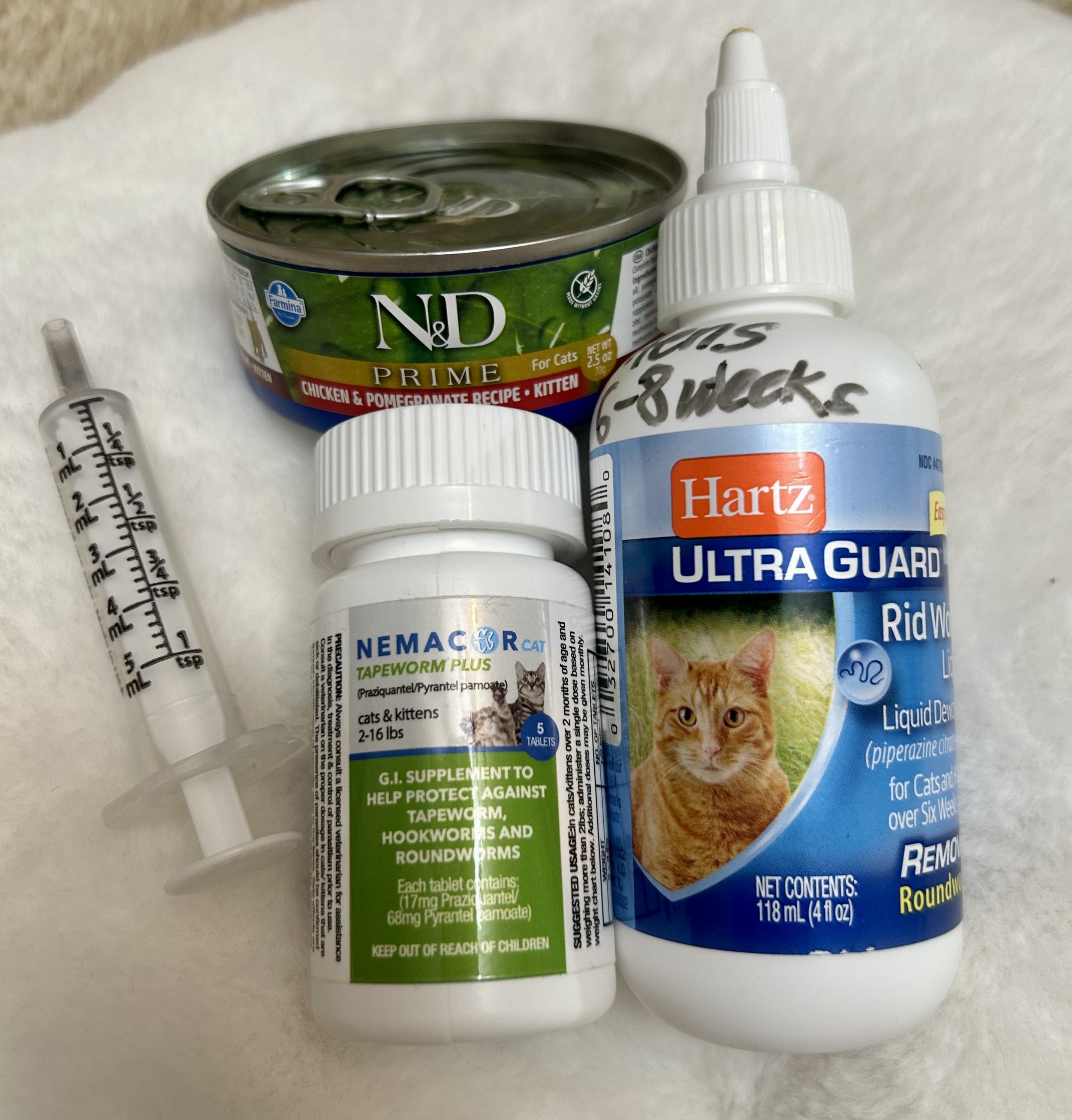
Your kitten was dewormed prior vaccination ether with Nemacor or Ultra Guard syrup. Administer it around nap time when they’re calm. Consult your vet regarding future deworming. I will provide a note with detailed deworming & flea treatment info, kitten’s diet as well.
-
![Cute British Scottish Fold Straight Kitten For Sale In Vancouver Portland Seattle USA]()
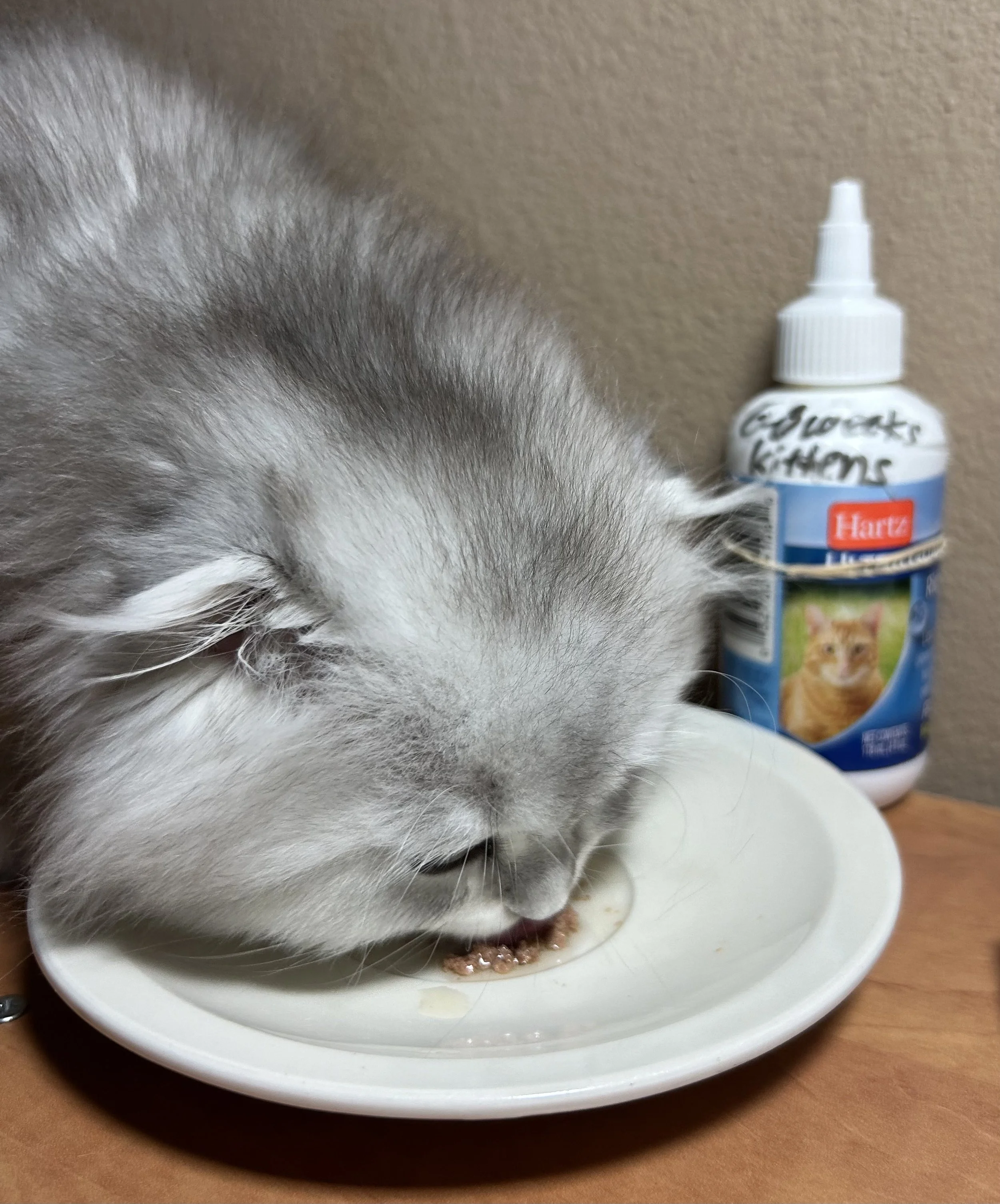
All kittens are different: some take syrup from syringe. Others do well if I mix syrup or crashed tablet with a little amount of wet food. Some love the taste, when others hate it! :-D Just be patient and creative, research, get advise from your vet.
-
![Cute British Scottish Fold Straight Kitten For Sale In Vancouver Portland Seattle USA]()
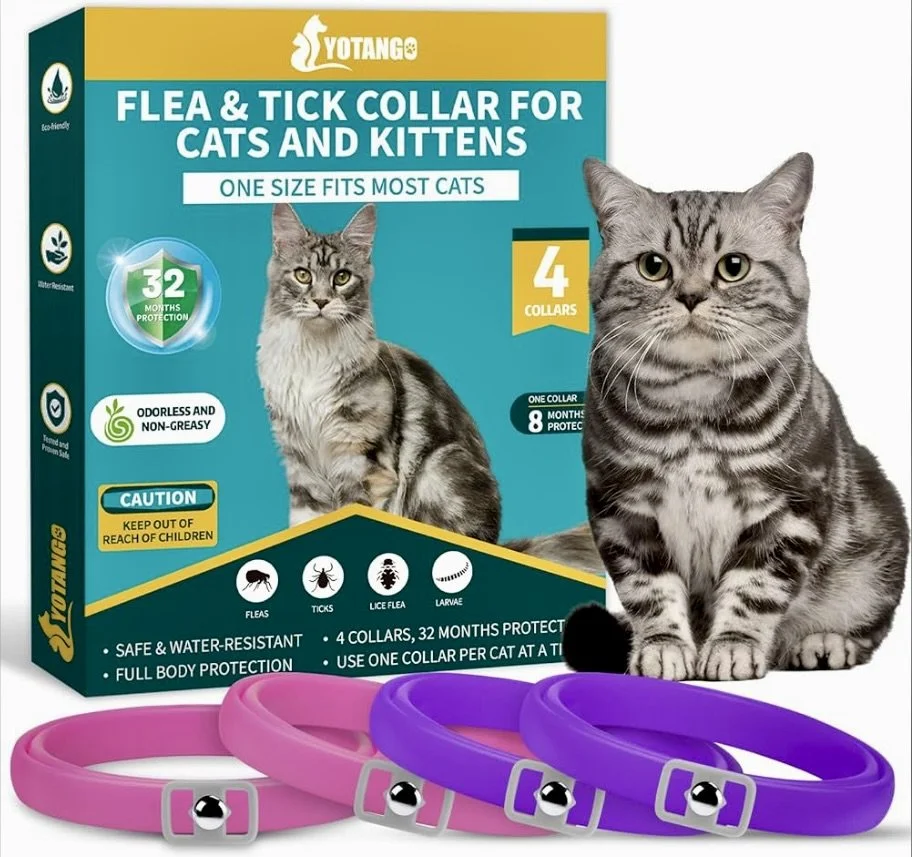
Choose kitten flea collar carefully: avoid collars with toxic chemicals. If possible, go natural way! Collars or sprays with essential oils repel fleas well. .
-
![Cute British Scottish Fold Straight Kitten For Sale In Vancouver Portland Seattle USA]()
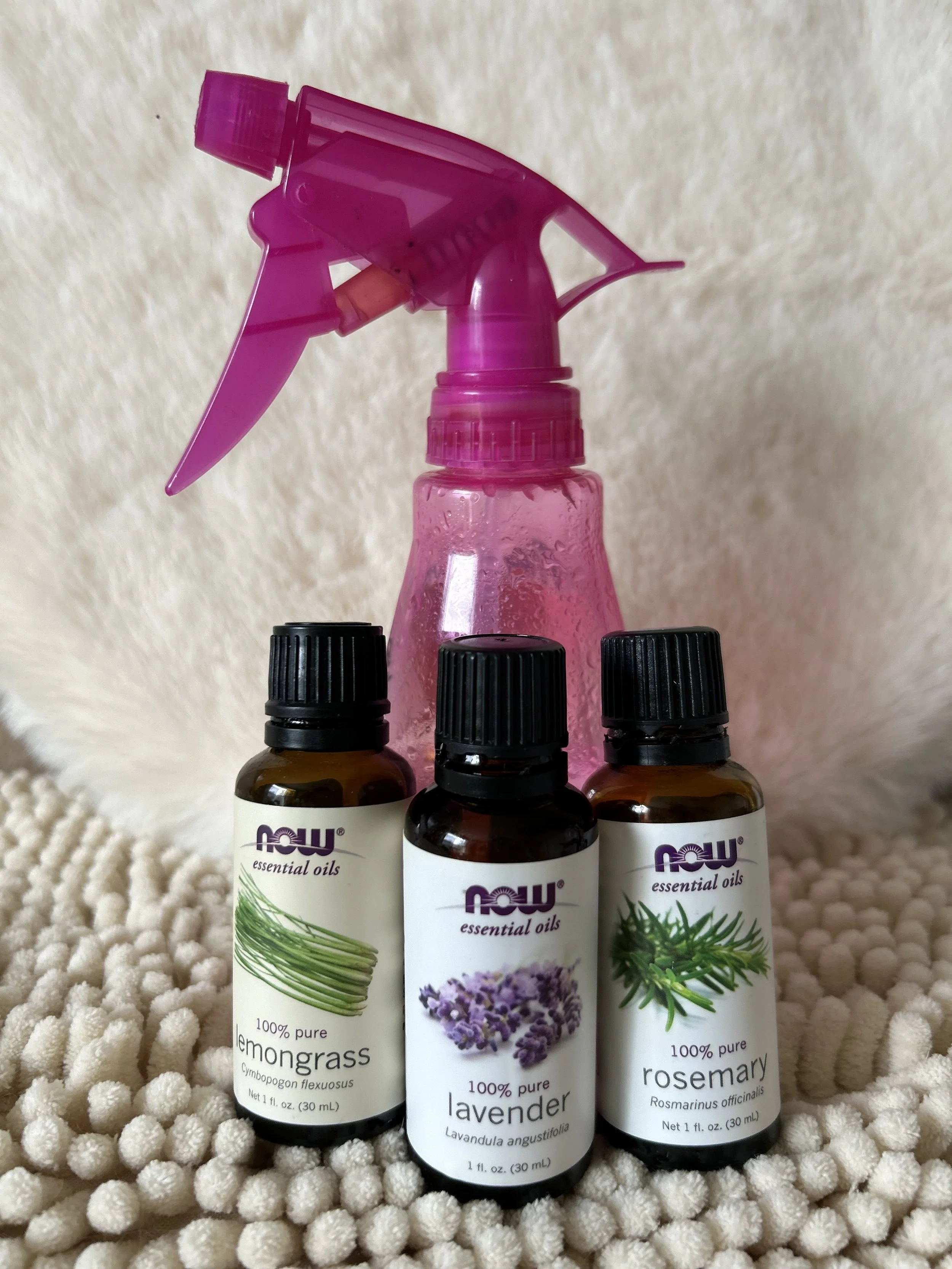
For older kittens I use Cheristin Flea Treatment. For the young kittens, to prevent fleas, I make a mix by adding 10 drops of each: lavender, rosemary & lemongrass essential oils to 1/2 cup of distilled water. I spray mix onto my hands & massage it into the kitten’s coat.
-
![Cute British Scottish Fold Straight Kitten For Sale In Vancouver Portland Seattle USA]()
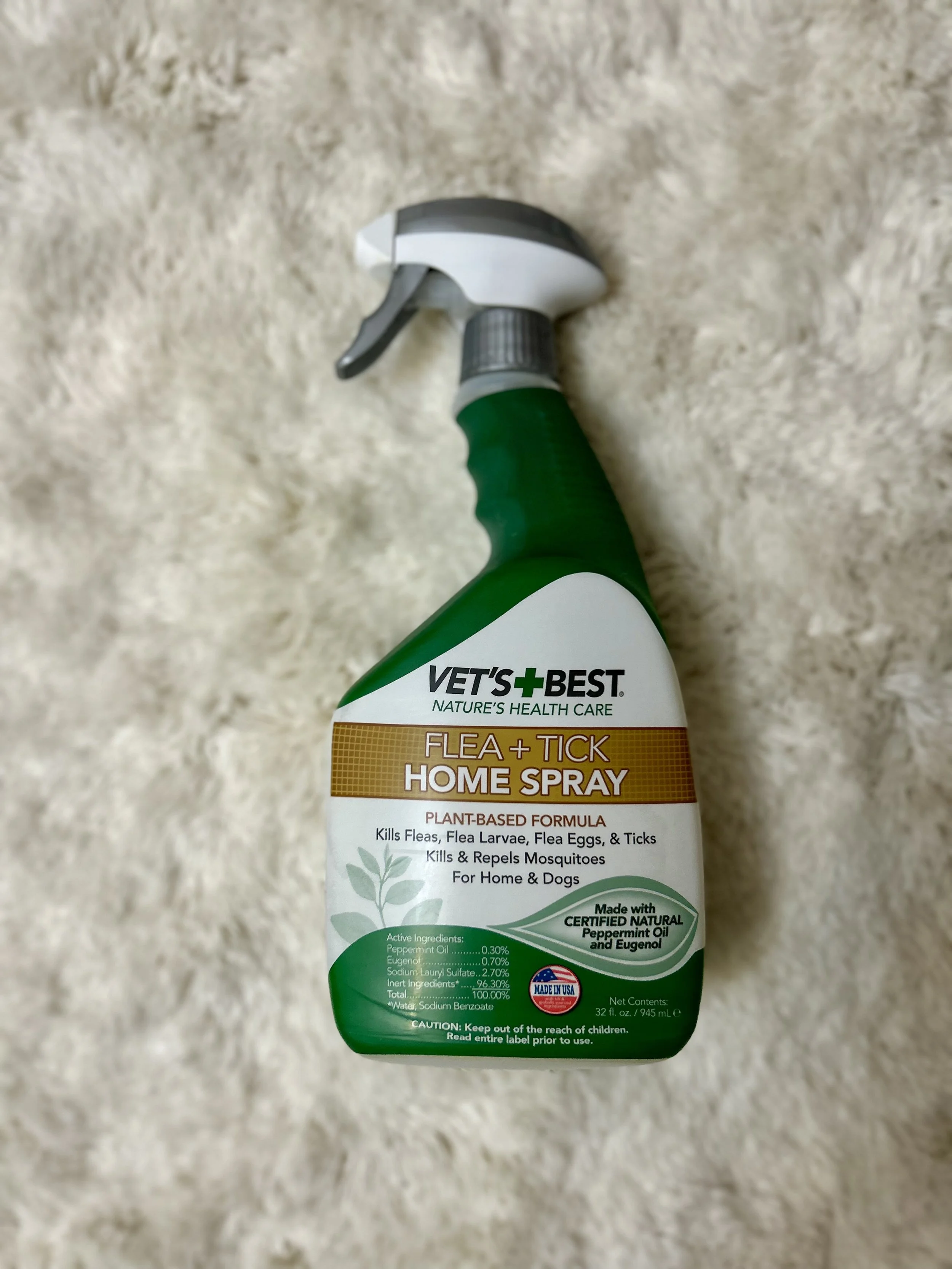
It’s nice to have some kind of a natural, pet safe flea spray to keep fleas away from your house. You can spray the entry door mats or a carpet area, cat tree, etc. . .
-
![Cute British Scottish Fold Straight Kitten For Sale In Vancouver Portland Seattle USA]()
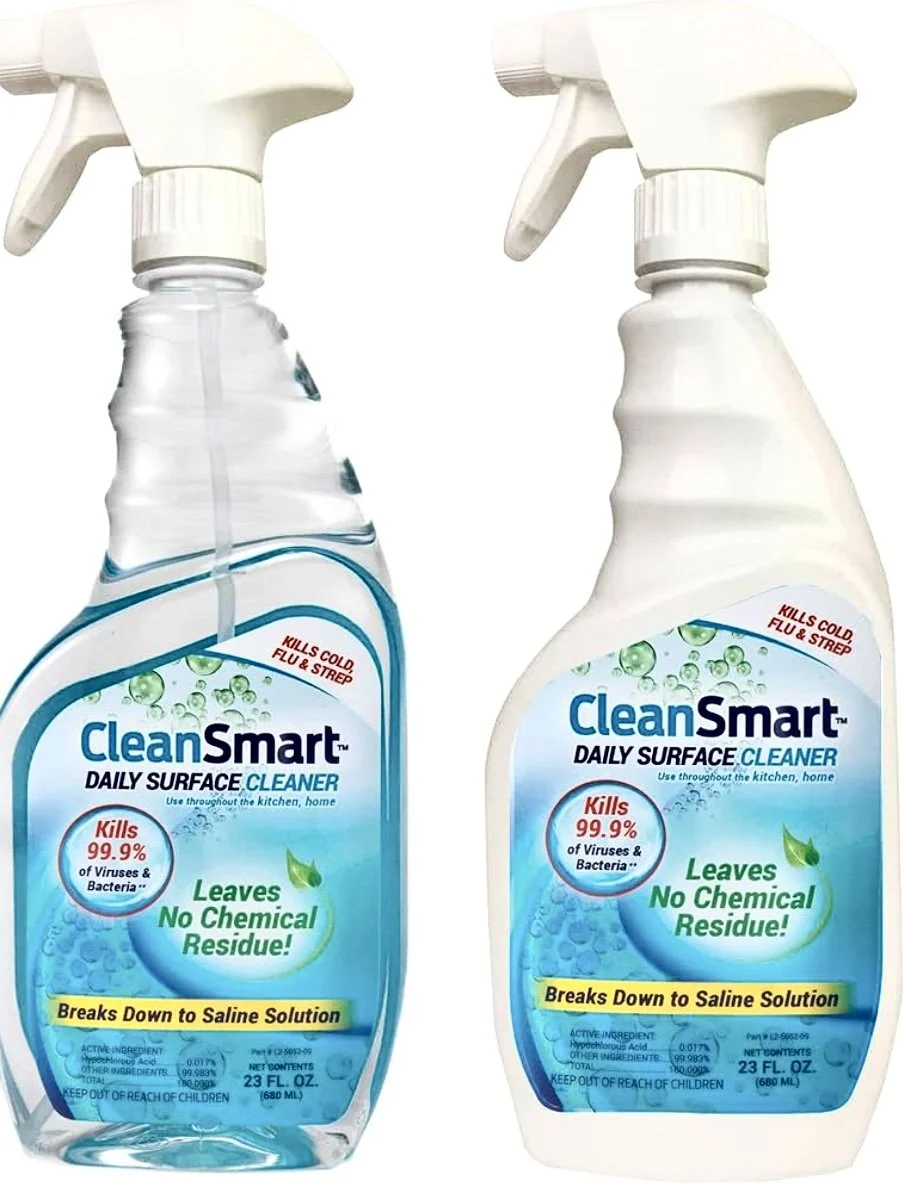
CleanSmart Daily Surface Cleaner and Pet-Safe Disinfectant, Kills 99.9% of Viruses, Bacteria.
.
-
![Cute British Scottish Fold Straight Kitten For Sale In Vancouver Portland Seattle USA]()
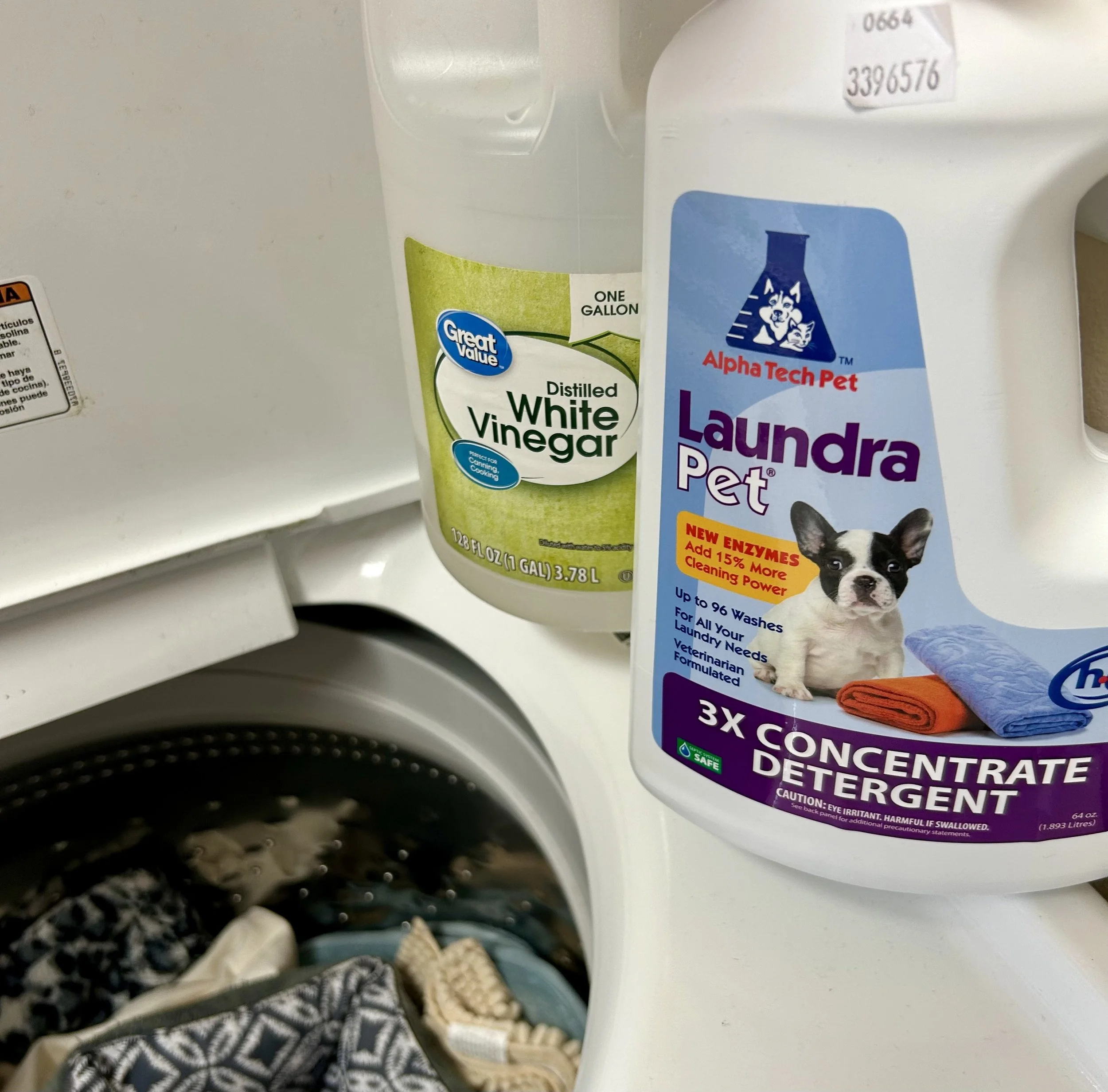
Pet bedding should be washed once a week with pet safe detergent to keep the nasties away. When you use Free & Clear detergent, add vinegar & baking soda to remove smells. Laundra Pet, one of the best pet laundry detergent for pet odors & stains, is another option.
-
![Cute British Scottish Fold Straight Kitten For Sale In Vancouver Portland Seattle USA]()
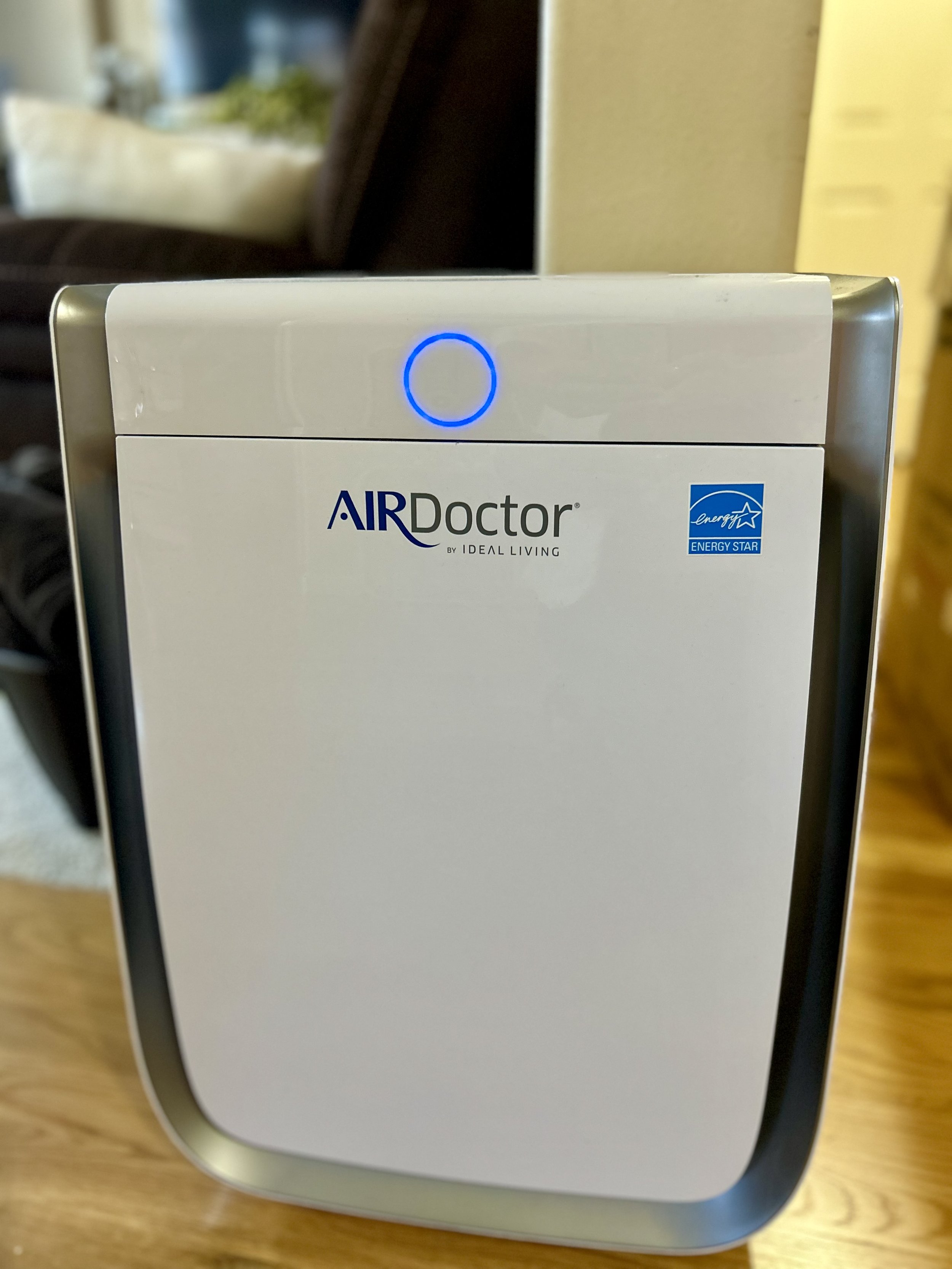
Air purifier is beneficial for both: pets and family members. It is improving indoor air quality by removing allergens like pet dander, dust, and hair; reducing household and pet odors ; and potentially alleviating allergy symptoms for sensitive individuals and pets.
-
![Cute British Scottish Fold Straight Kitten For Sale In Vancouver Portland Seattle USA]()
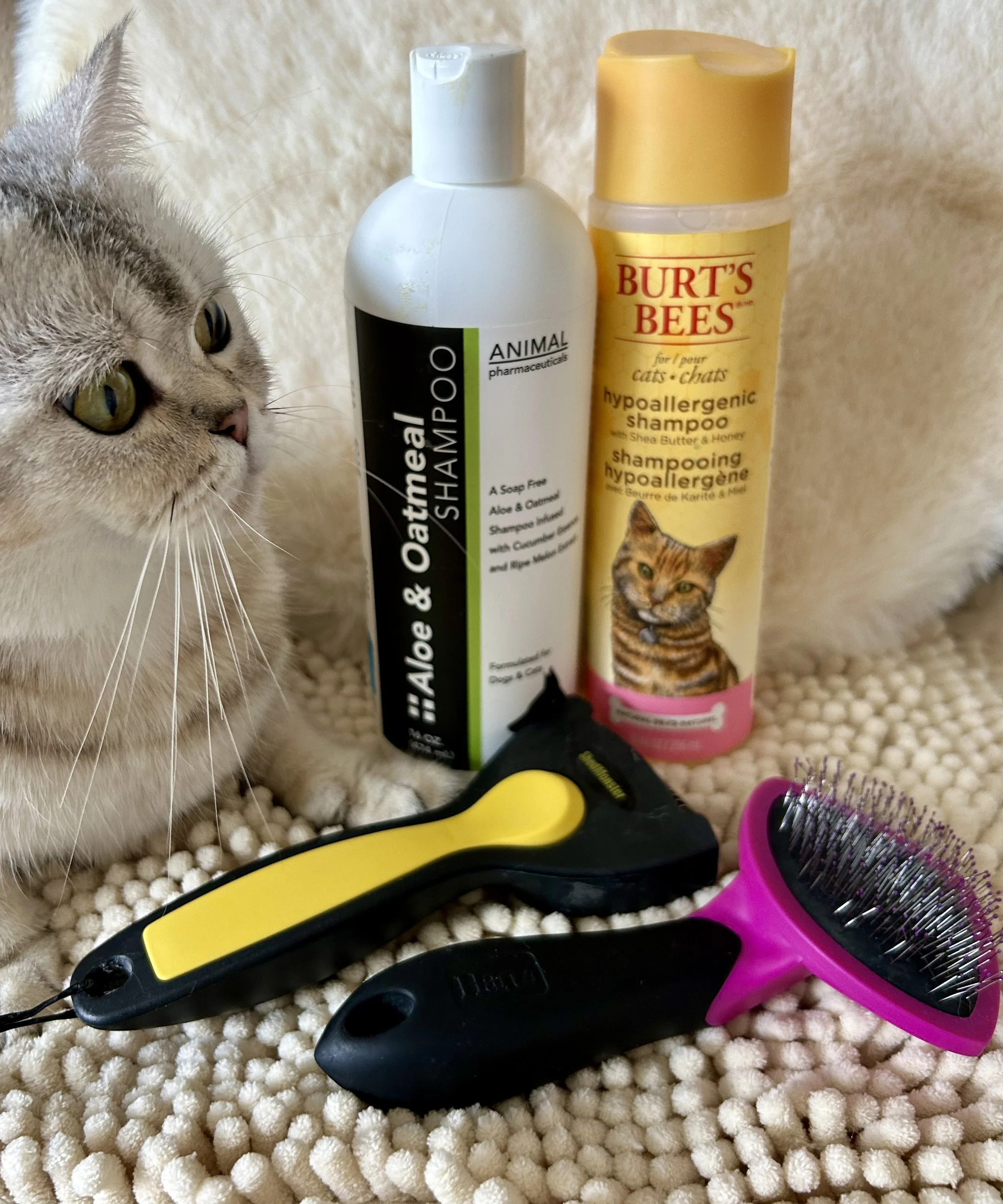
In general, a healthy adult cat doesn't require bathing unless he or she has gotten into something that has coated the fur and can't be easily removed with brushing. Cats groom themselves naturally. We should help keep them clean by brushing & combing them regularly.
-
![Cute British Scottish Fold Straight Kitten For Sale In Vancouver Portland Seattle USA]()
Brushing helps you bond with each other. Since most cats enjoy being brushed, this is a great time to bond with your feline friend. Some cats really enjoy the way it feels too. Find a brush for your kitty to remove some loose inner and outer coat. .
-
![Cute British Scottish Fold Straight Kitten For Sale In Vancouver Portland Seattle USA]()
Wait on Litter-Robot or any other kind of Self-Cleaning Cat Litter Box that use crystal litter until your kitty is at least 6 month old. Regular litter box 6 in. high, preferably one for each kitty in the house, is perfect now. Safety first! .
-
![Cute British Scottish Fold Straight Kitten For Sale In Vancouver Portland Seattle USA]()
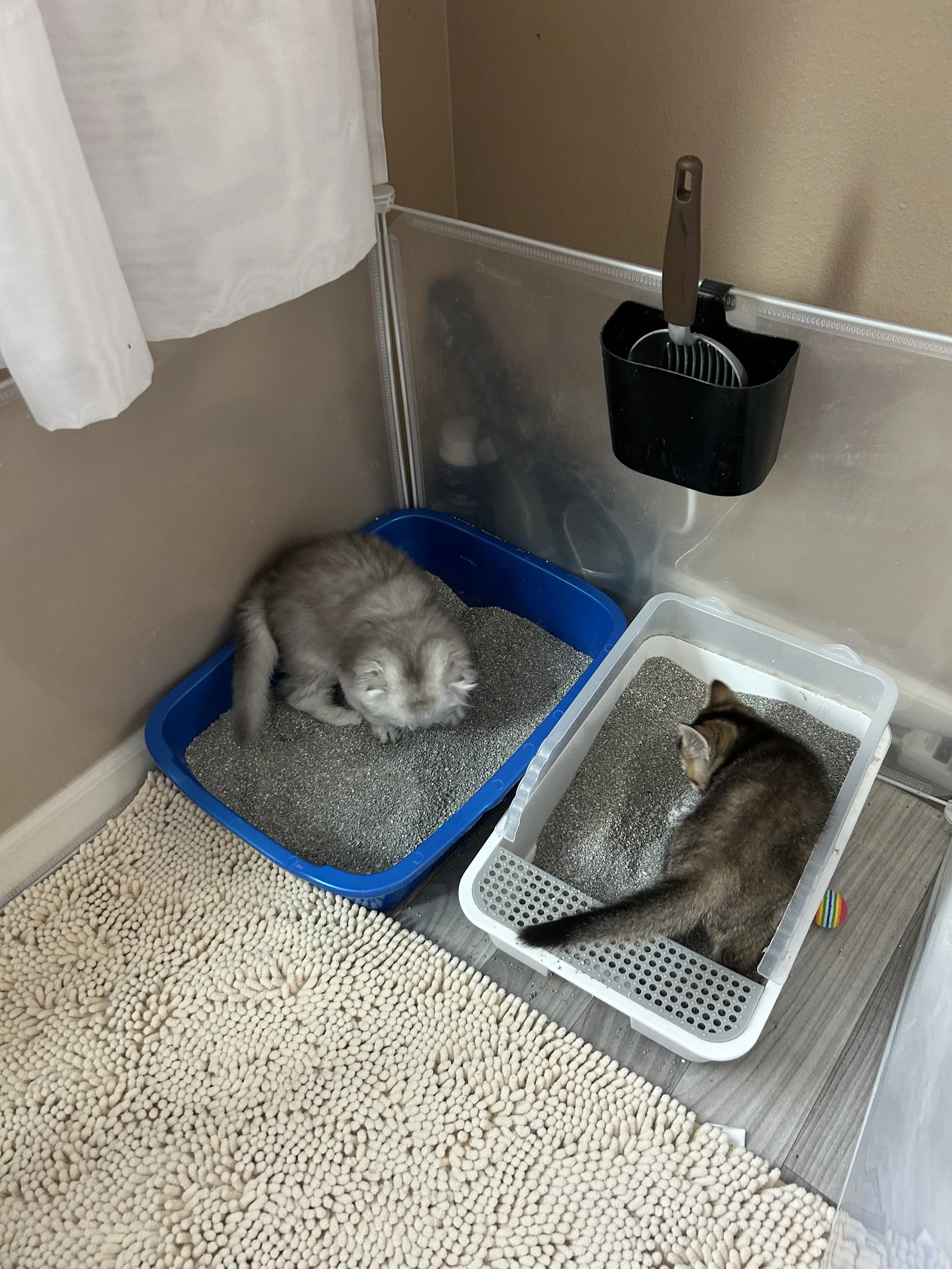
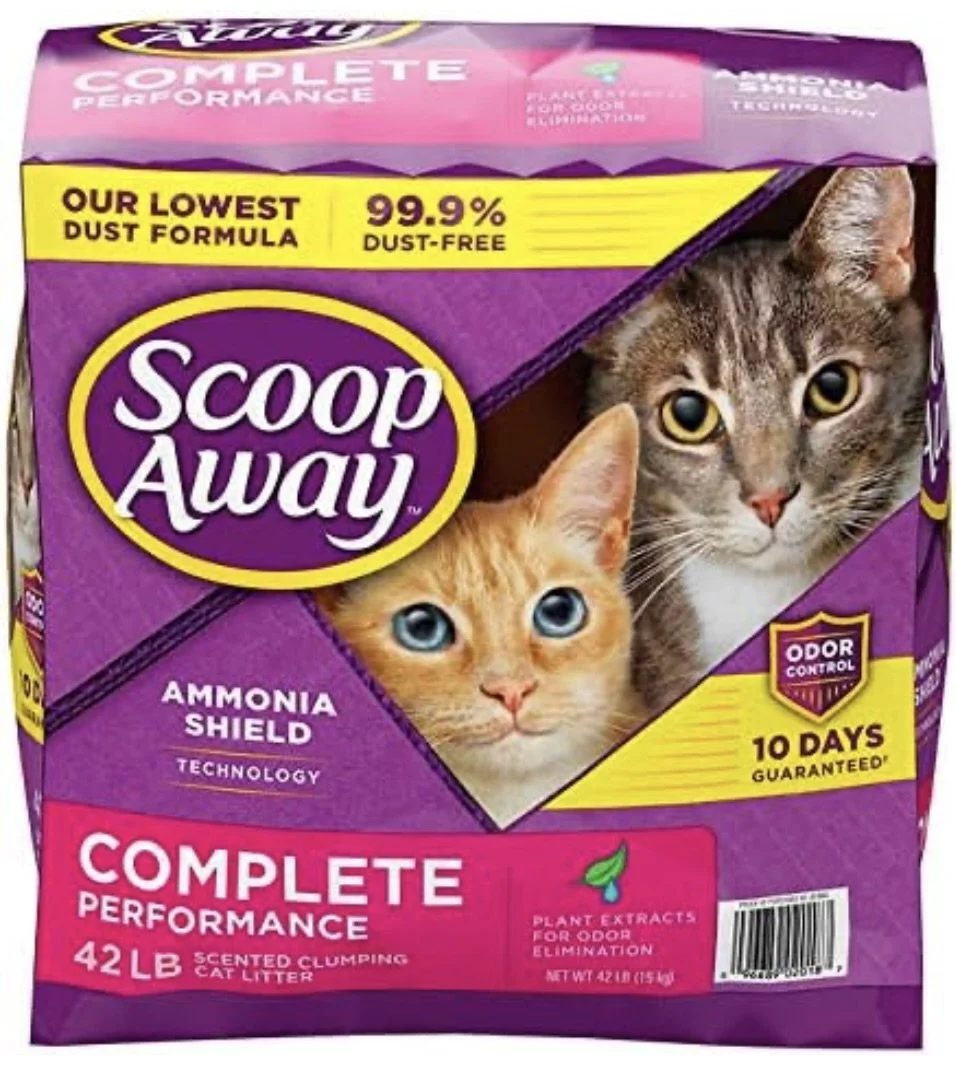
Your kitty’s using Clumping clay litter now. Please start with the same one to avoid accidents, as your kitty is adjusting to a new home. Later you can transfer kitty to another litter, follow direction on the box. Do you know #1 thing cats hate is a dirty litter box?
-
![Cute British Scottish Fold Straight Kitten For Sale In Vancouver Portland Seattle USA]()
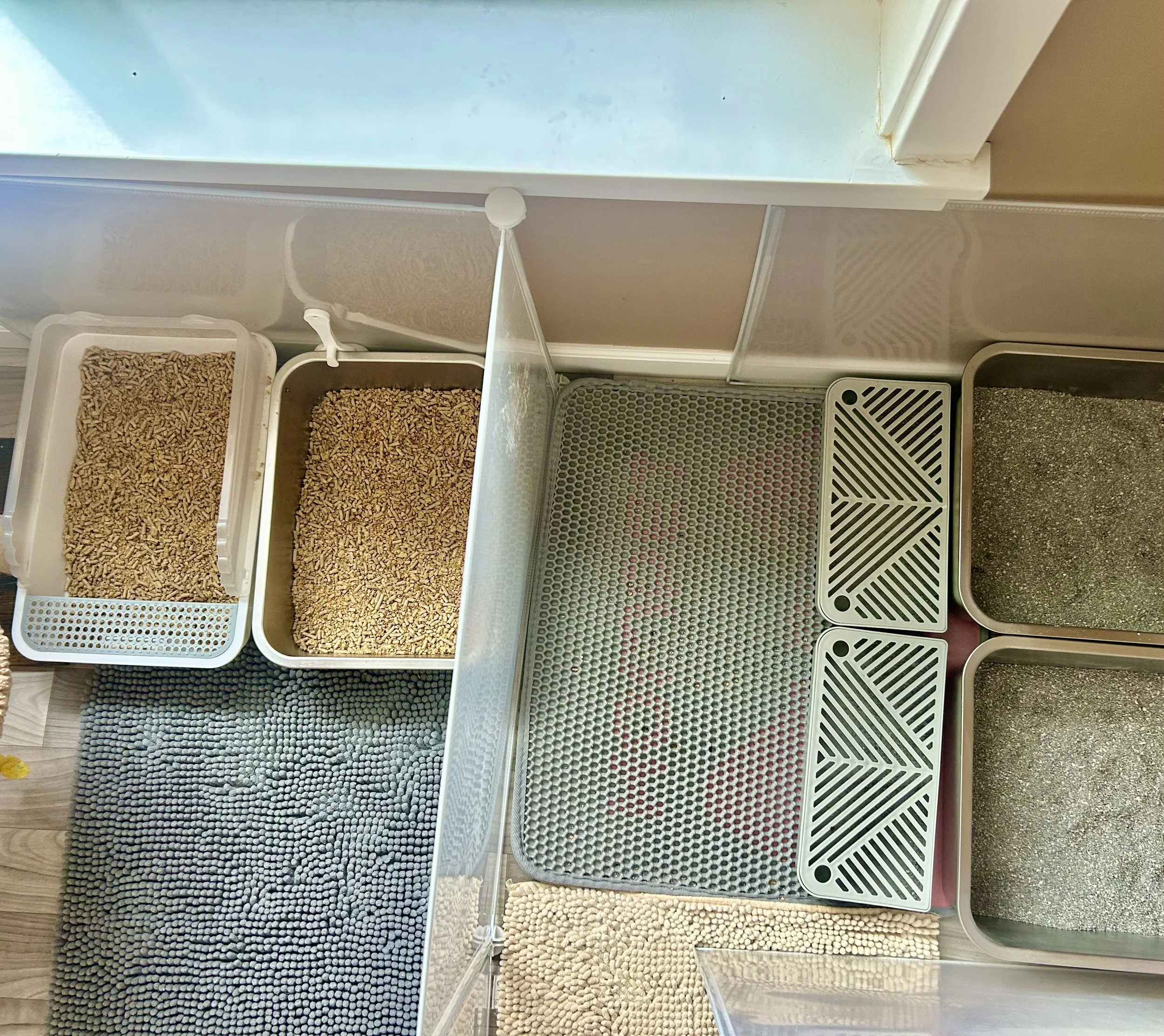
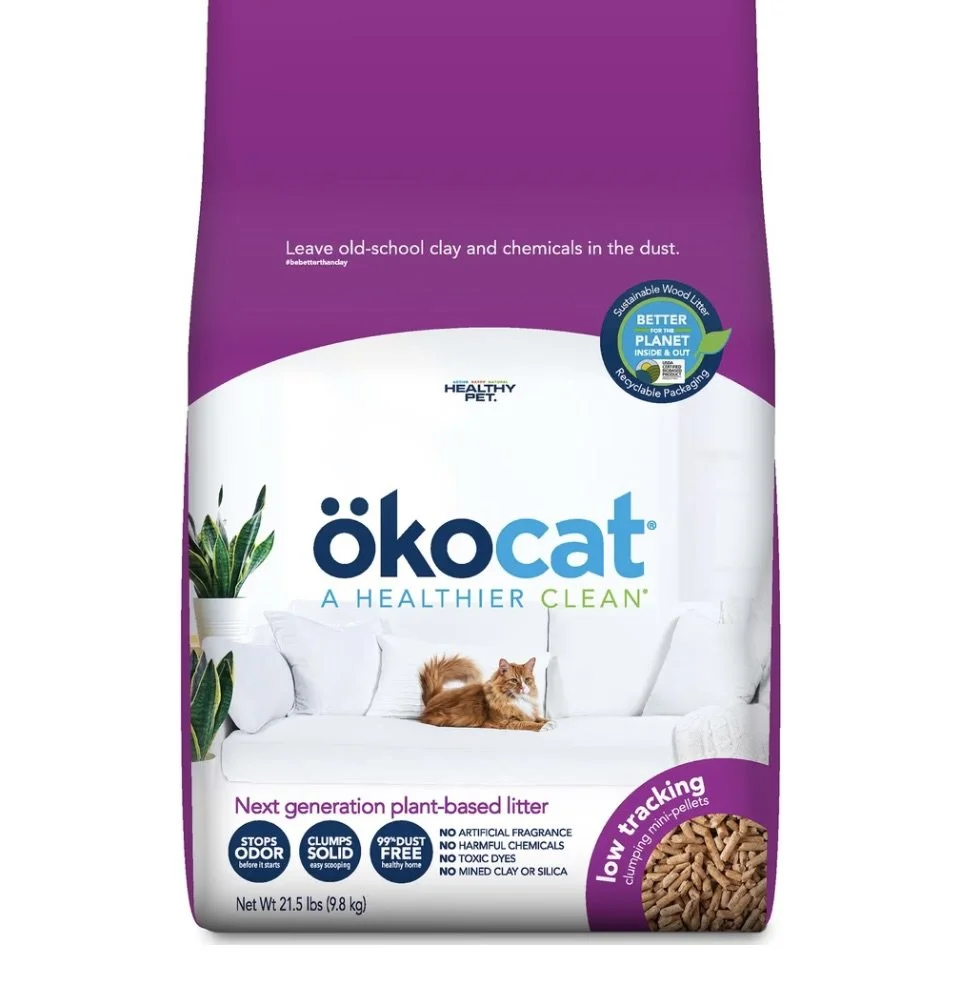
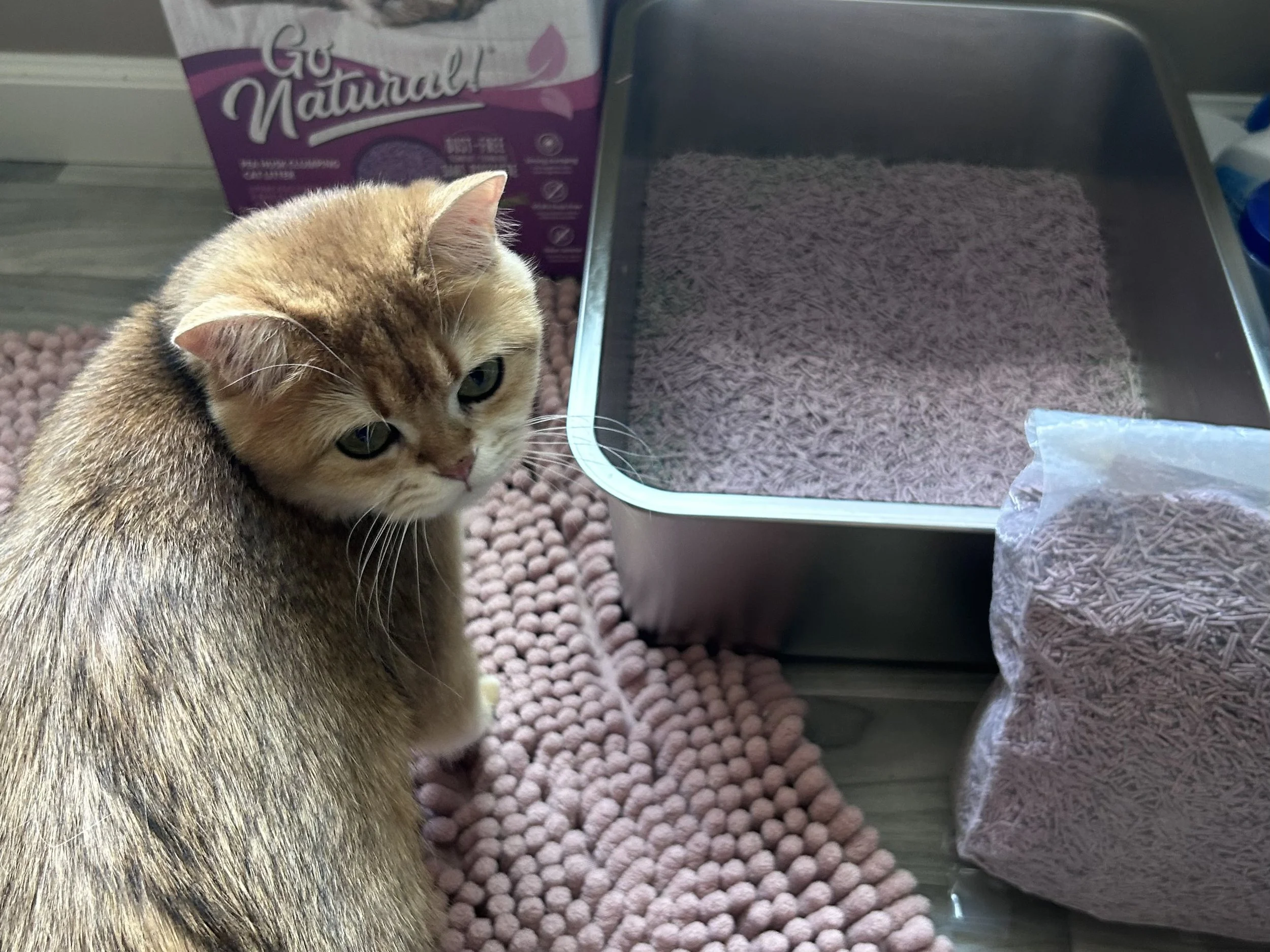
While moms were using clumping clay litter, the longhair kittens were happy to use oko cat clumping mini pallets (see litter boxes on the left). Regular washable soft bath mats work successfully as litter mats in catching any litter! Hygiene is the goal!
-
![Cute British Scottish Fold Straight Kitten For Sale In Vancouver Portland Seattle USA]()
The benefits of a stainless steel litter box: superior durability & longevity. Its non-porous surface prevents scratches & resists bacteria. They’re more hygienic, easy to clean, they don't absorb odors or harbor germs like plastic boxes do.
-
![Cute British Scottish Fold Straight Kitten For Sale In Vancouver Portland Seattle USA]()
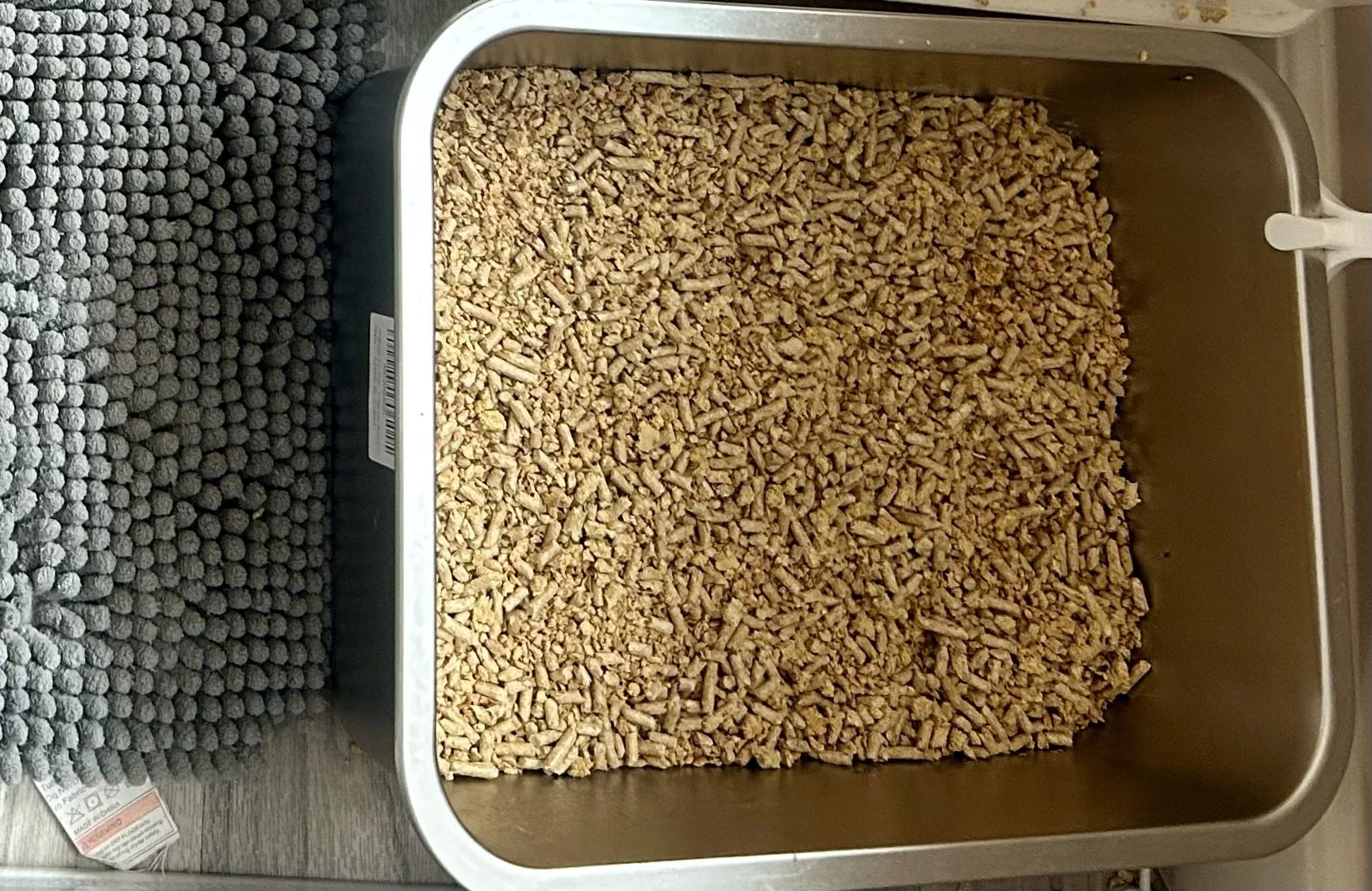
Low tracking soft clumping wood mini-pallets, ideal for long-haired kittens/cats. No artificial fragrance, harmful chemicals or dyes, clay or silica. As well, safe for little once to start using litter box. .
-
![Cute British Scottish Fold Straight Kitten For Sale In Vancouver Portland Seattle USA]()
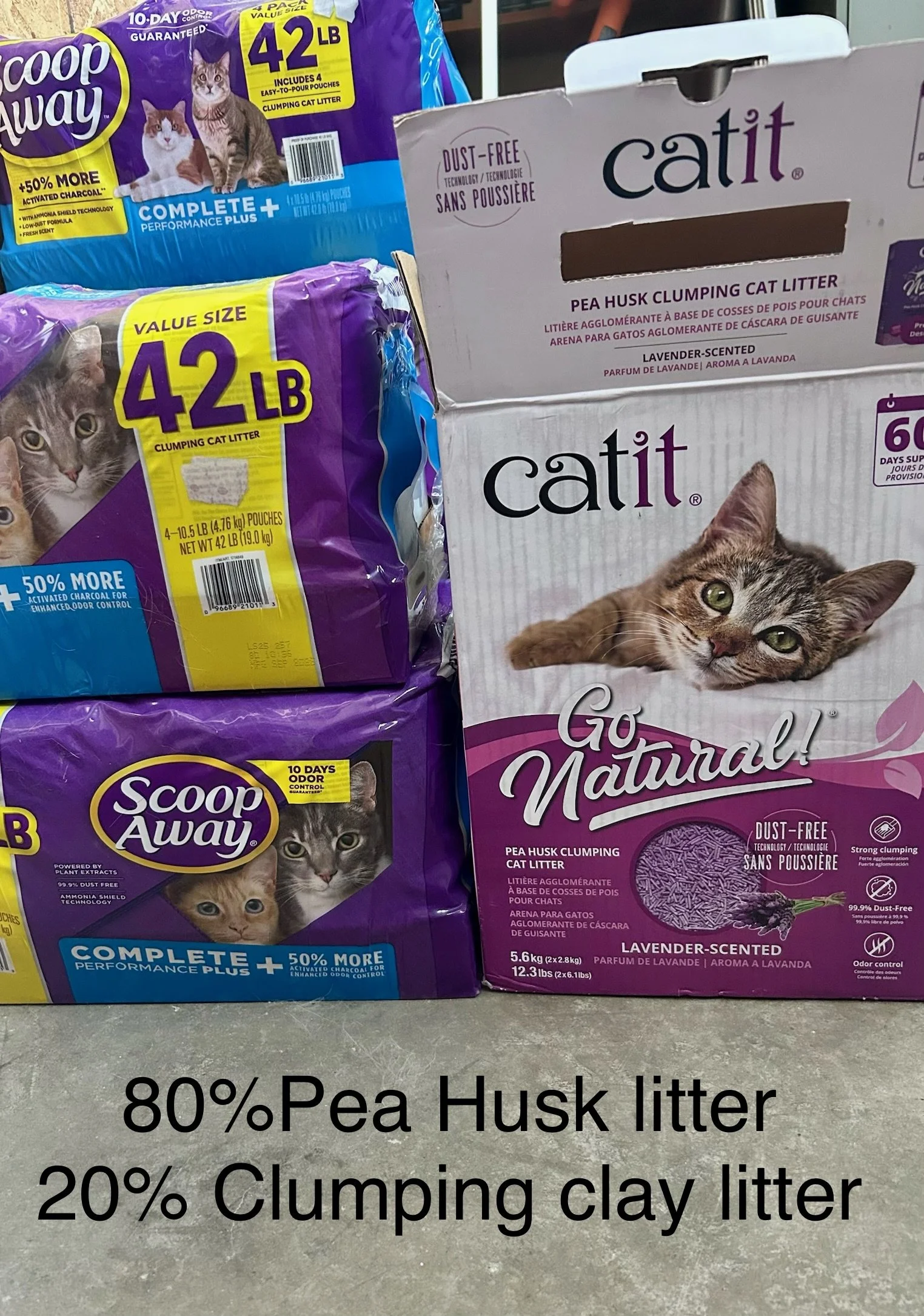
Clumping clay litter is pretty dusty by itself so I like mixing 80% of Pea Husk Clumping Litter (Lavender scent) or Tofu Litter (green matcha scent) with 20% of Clumping clay to reduce the dust and tracking of pure clay.
-
![Cute British Scottish Fold Straight Kitten For Sale In Vancouver Portland Seattle USA]()
Also clay fills the gaps between tofu pellets, creating a tighter clump than tofu. Important to remember that such litter mix of Clumping clay and tofu/pea husk becomes NO longer flushable!
-
![Cute British Scottish Fold Straight Kitten For Sale In Vancouver Portland Seattle USA]()
Due to poor tear duct drainage, cats with rounded/flat facial structure, big eyes might have reddish-brown stains around their eyes, caused by iron-rich molecules in tears, which are more visible on lighter fur.
-
![Cute British Scottish Fold Straight Kitten For Sale In Vancouver Portland Seattle USA]()
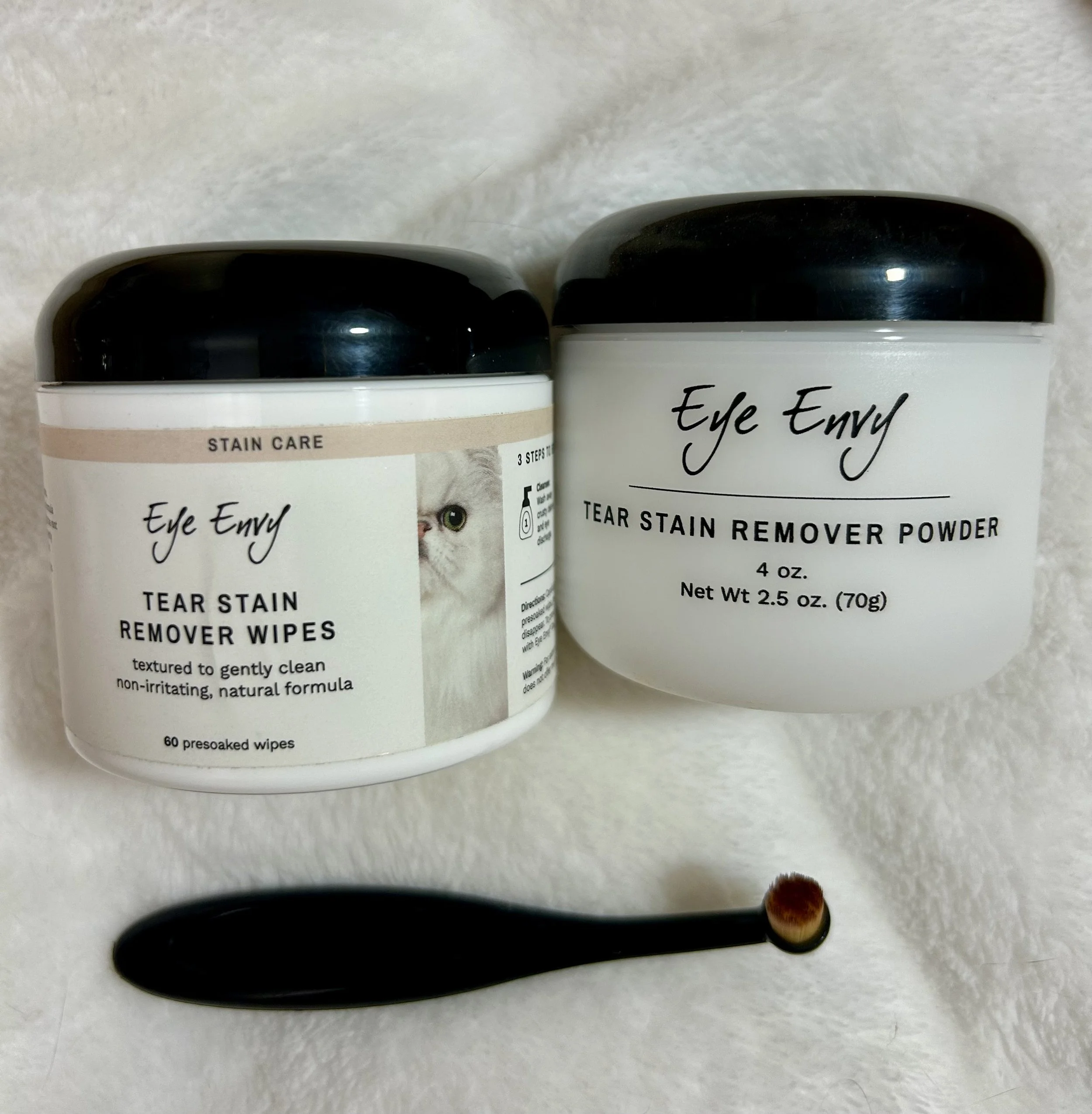
Eye care: Wipe under eyes with a soft cloth and warm water or specialized eye wipes daily, if needed. You can also apply some of Tear Stain Remover Powder, soft brush would be helpful. Use filtered water, hight quality, grain free or hypoallergenic diet.
-
![Cute British Scottish Fold Straight Kitten For Sale In Vancouver Portland Seattle USA]()
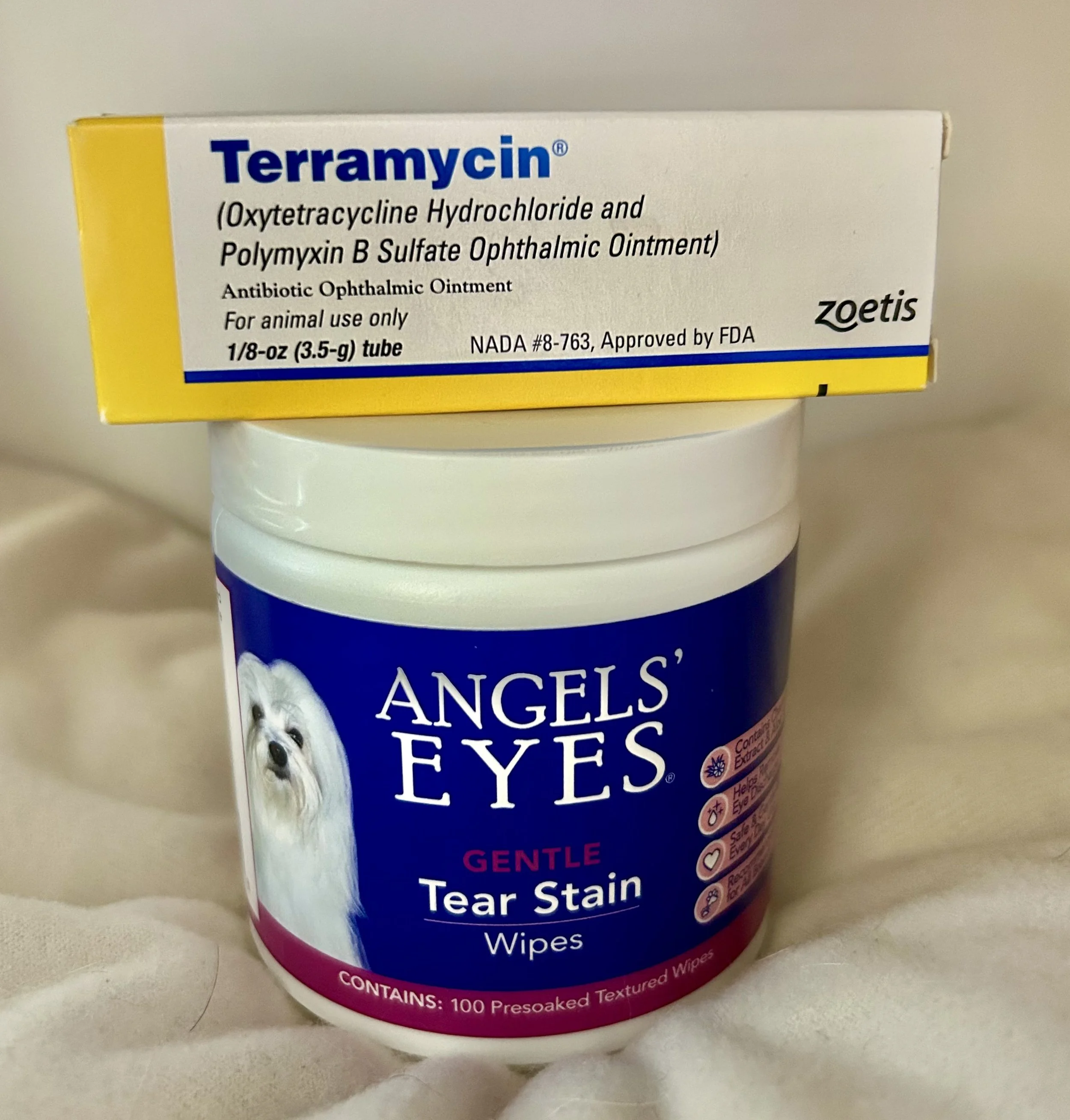
Terramycin ointment is for mild eye infection. (Follow direction on the box.) While some tears are normal due to their face shape, constant, thick, or colored discharge should be examined by a vet. .
-
![Cute British Scottish Fold Straight Kitten For Sale In Vancouver Portland Seattle USA]()
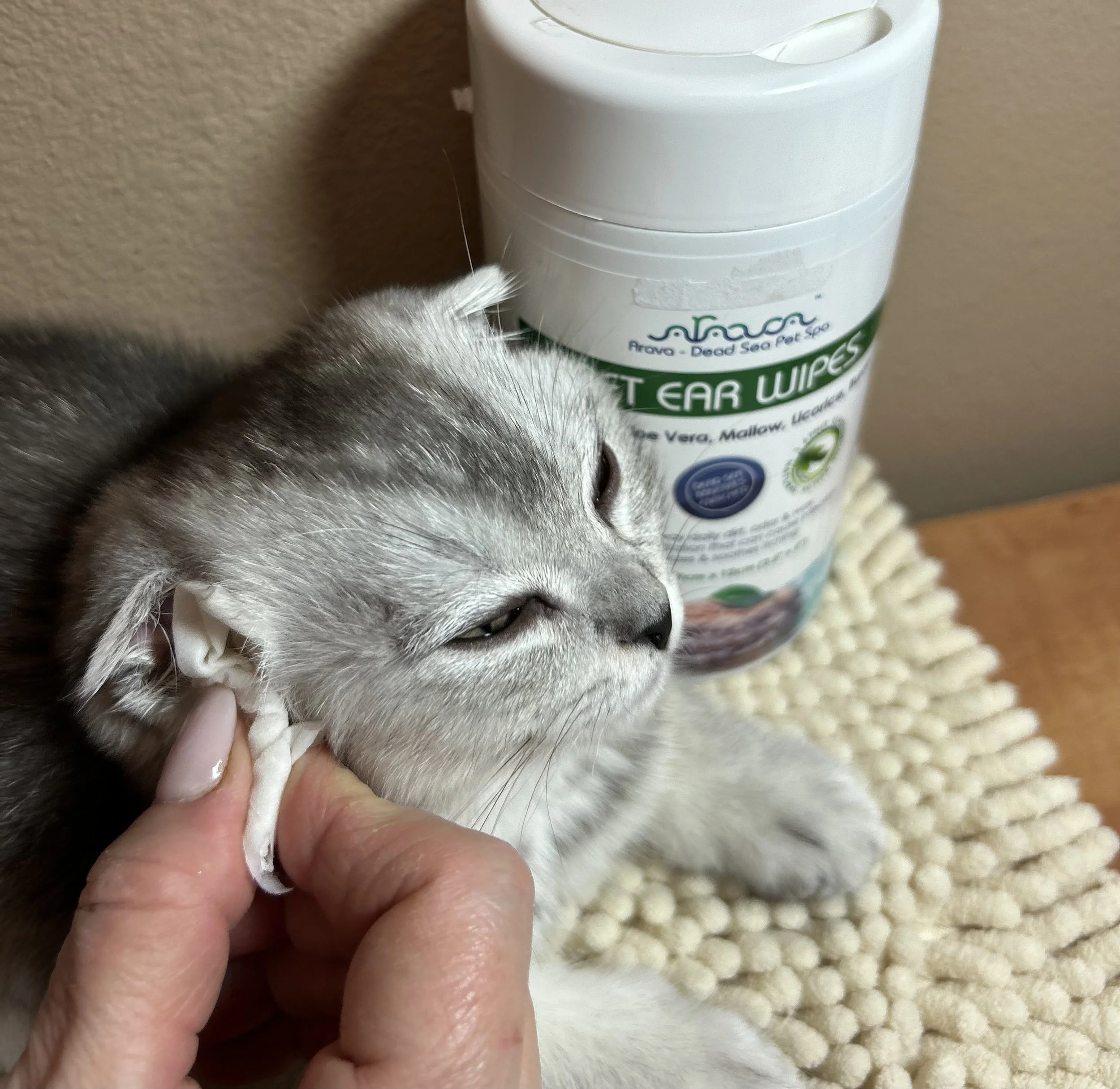
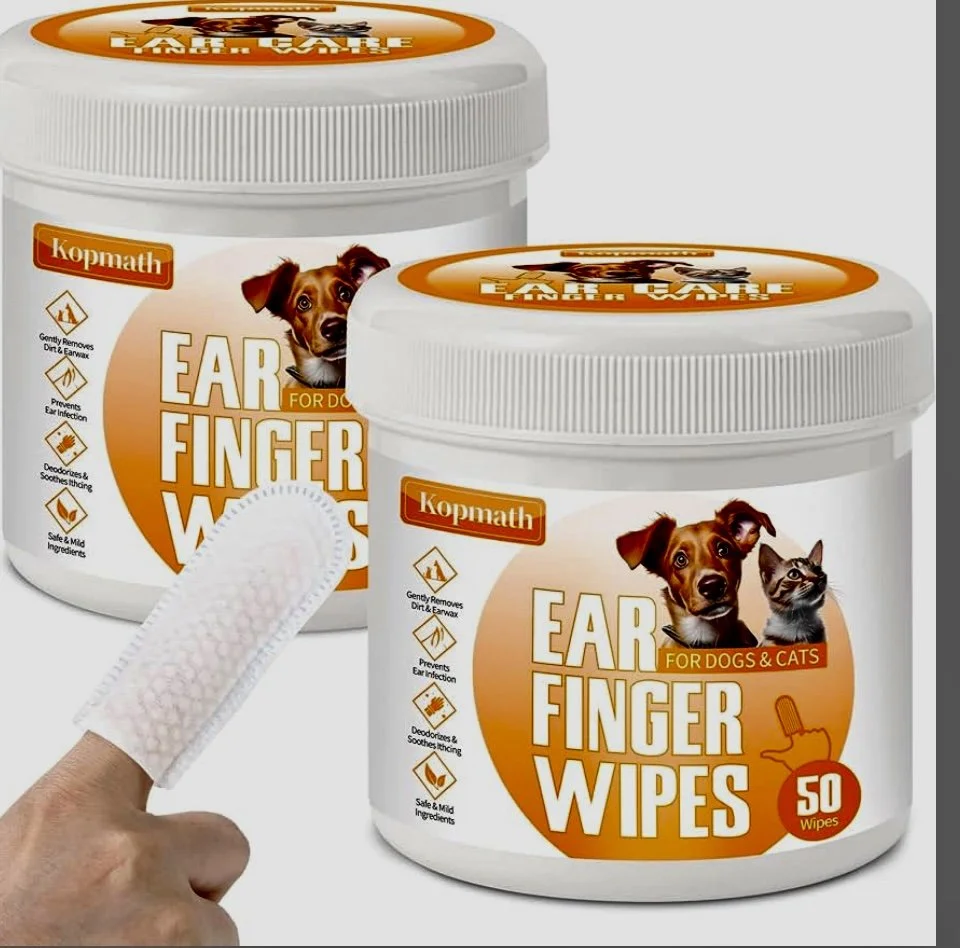
Cat Ear Wipes ( sheets or finger wipes) help clean debris, wax. Also, melted coconut oil on cotton ball would do a great job cleaning cat’s ears. .
-
![Cute British Scottish Fold Straight Kitten For Sale In Vancouver Portland Seattle USA]()
Just check your kitten’s ears at lease every 2-3 month, wipe them using cat ear sheets/wipes or ear finger wipes to remove any wax deposits or debris. Don’t use baby wipes or Q-tips!!
-
![Cute British Scottish Fold Straight Kitten For Sale In Vancouver Portland Seattle USA]()
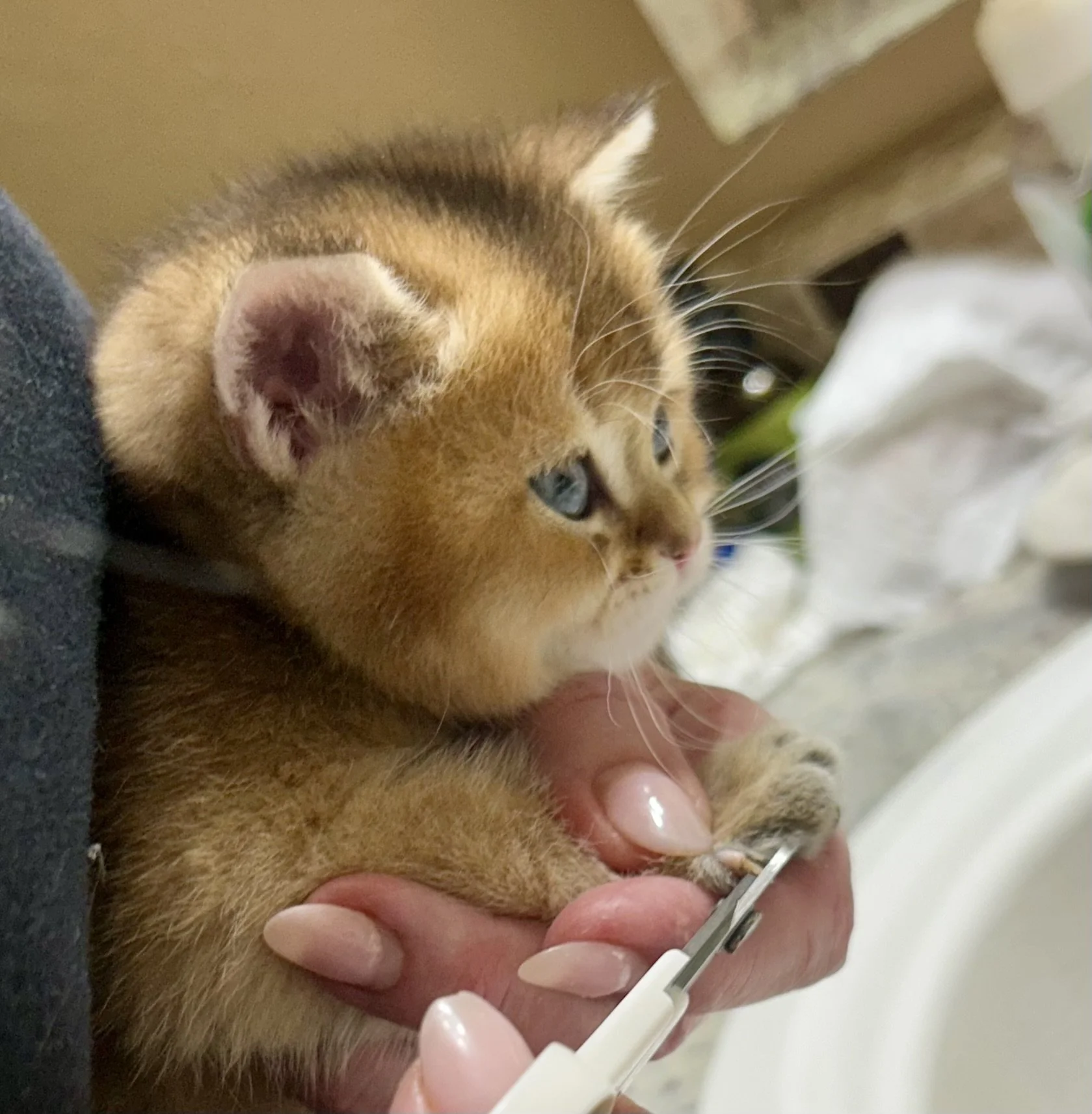
Nail clipping:
-
![Cute British Scottish Fold Straight Kitten For Sale In Vancouver Portland Seattle USA]()
-
![Cute British Scottish Fold Straight Kitten For Sale In Vancouver Portland Seattle USA]()
.
. .
-
![Cute British Scottish Fold Straight Kitten For Sale In Vancouver Portland Seattle USA]()
Kittens are generally ready for adoption after 10 weeks of age and should’ve been weaned and vaccinated by this time. A kitten should stay with their mother and siblings for at least 10 weeks to avoid the risk for developmental, social, and health issues.
-
![Cute British Scottish Fold Straight Kitten For Sale In Vancouver Portland Seattle USA]()
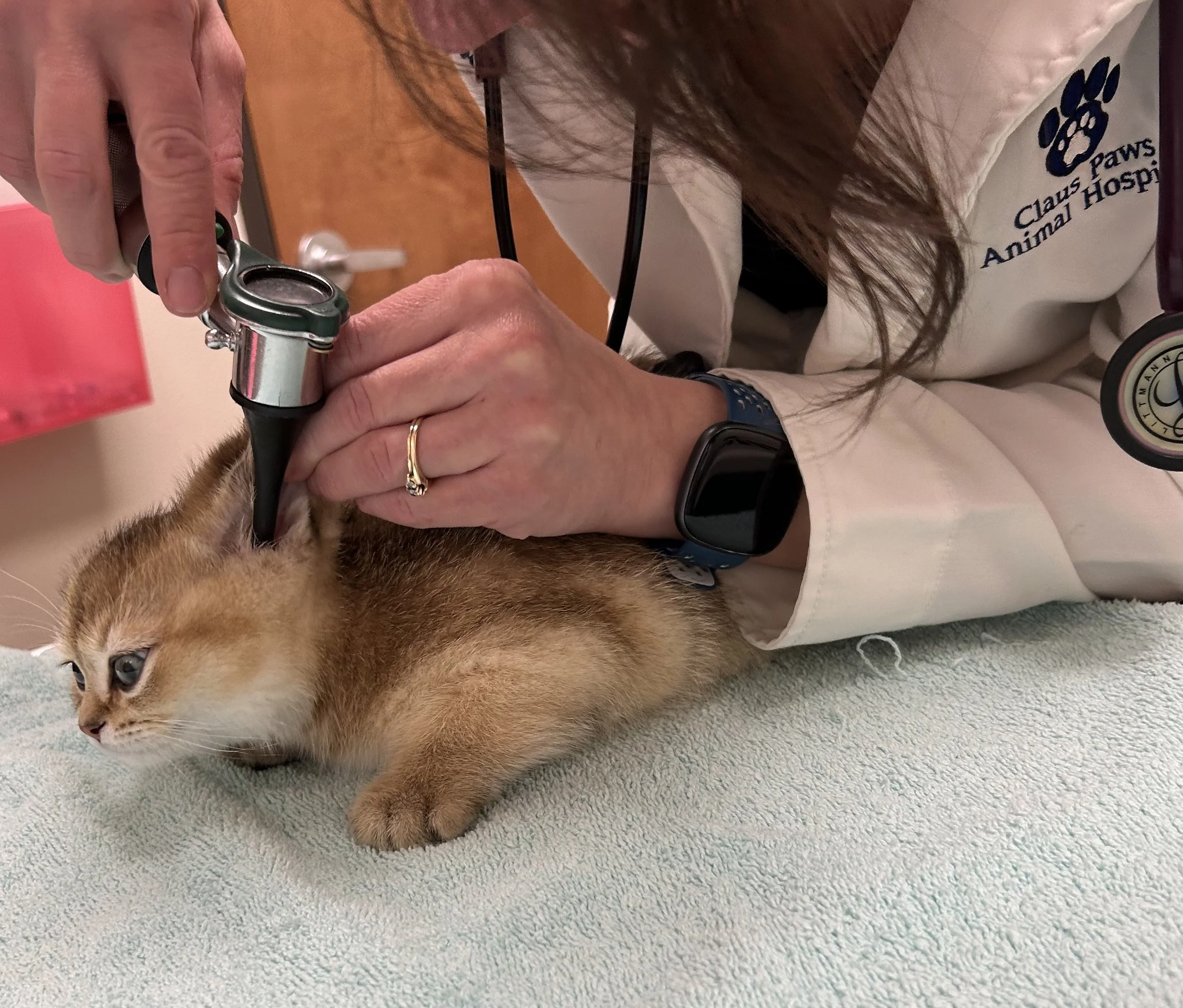
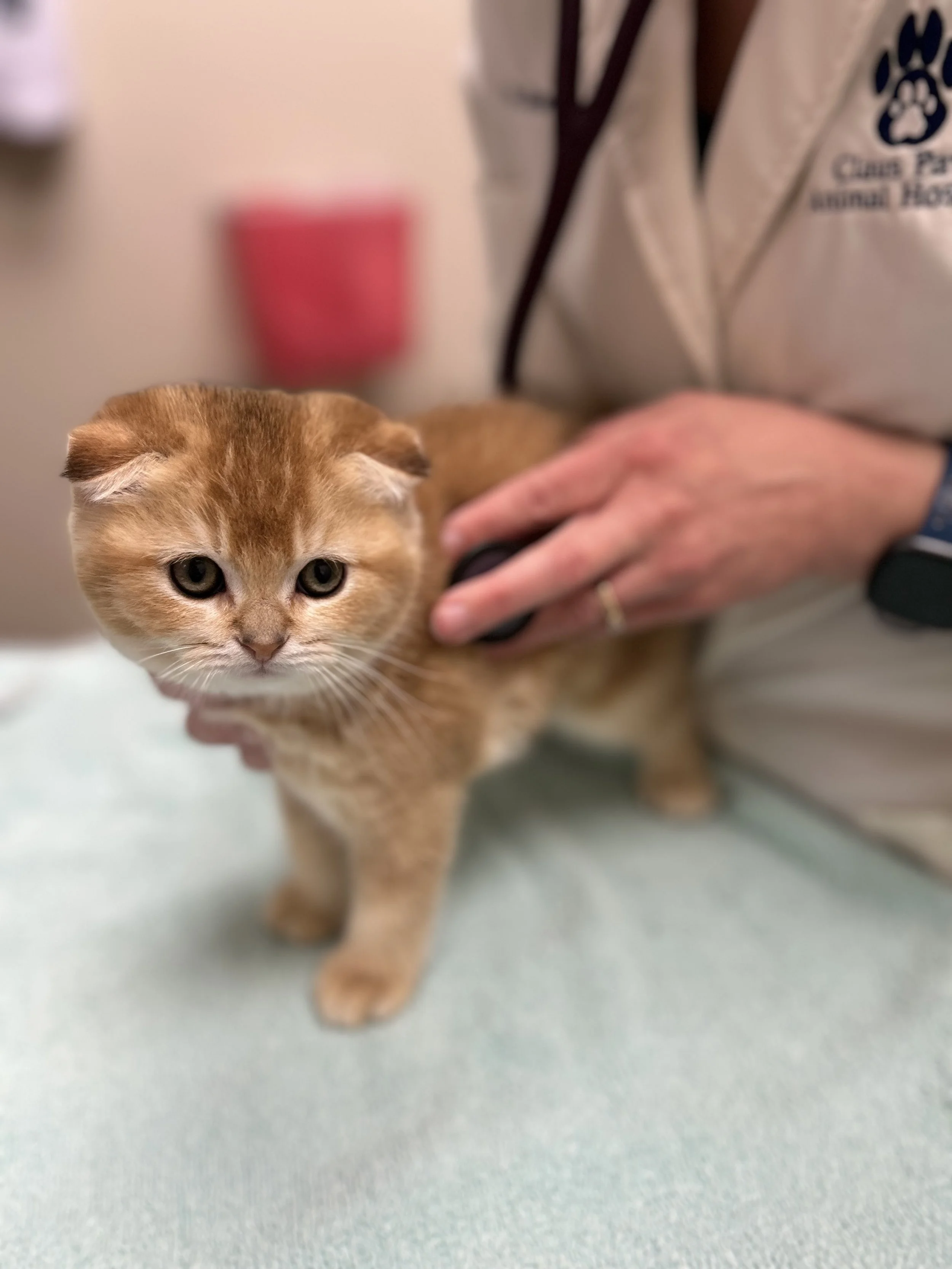
Health exam & first round of FVRCP vaccines will be done by licensed veterinarian when kitty is 10 weeks old. I’lll let you know the date of this appointment and I’ll share kitty’s Health Exam copy with you. That’s the day your kitty is ready to move into your home!
-
![Cute British Scottish Fold Straight Kitten For Sale In Vancouver Portland Seattle USA]()
You are responsible to schedule your kitty’s FVRCP booster that is time sensitive and should be done in about 3 weeks from the date of kitten’s first round of FVRCP vaccines. Continue contacting your kitty’s new vet at the clinic of your choice.
-
![Cute British Scottish Fold Straight Kitten For Sale In Vancouver Portland Seattle USA]()
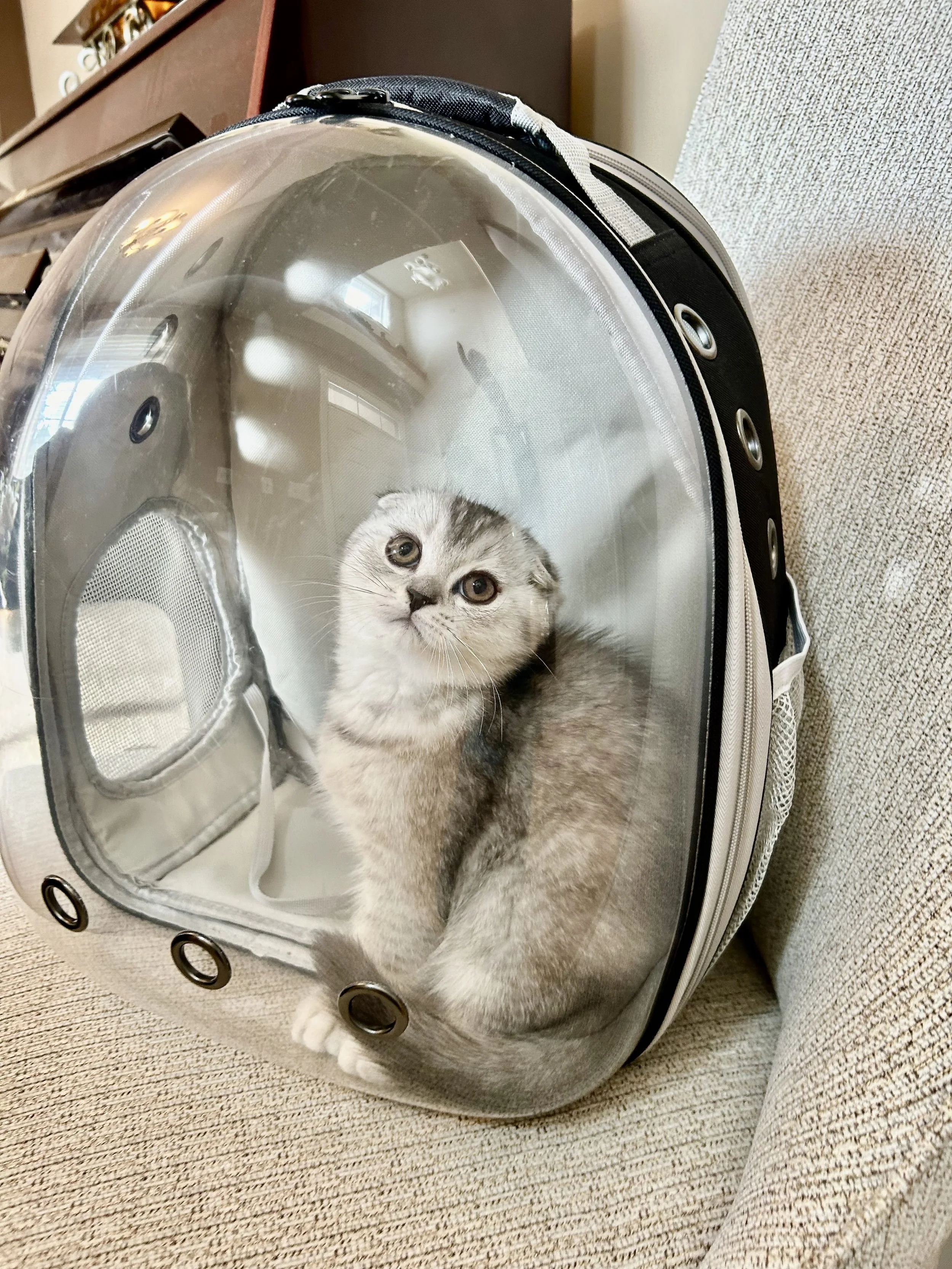
Transporting a cat/kitten in a carrier prevents escape being in unfamiliar environments.It keeps them secure, protecting both the pet and driver during car travel. Ventilated backpack is a secure, visible-yet-contained option. A fabric carrier is less stressful.
-
![Cute British Scottish Fold Straight Kitten For Sale In Vancouver Portland Seattle USA]()
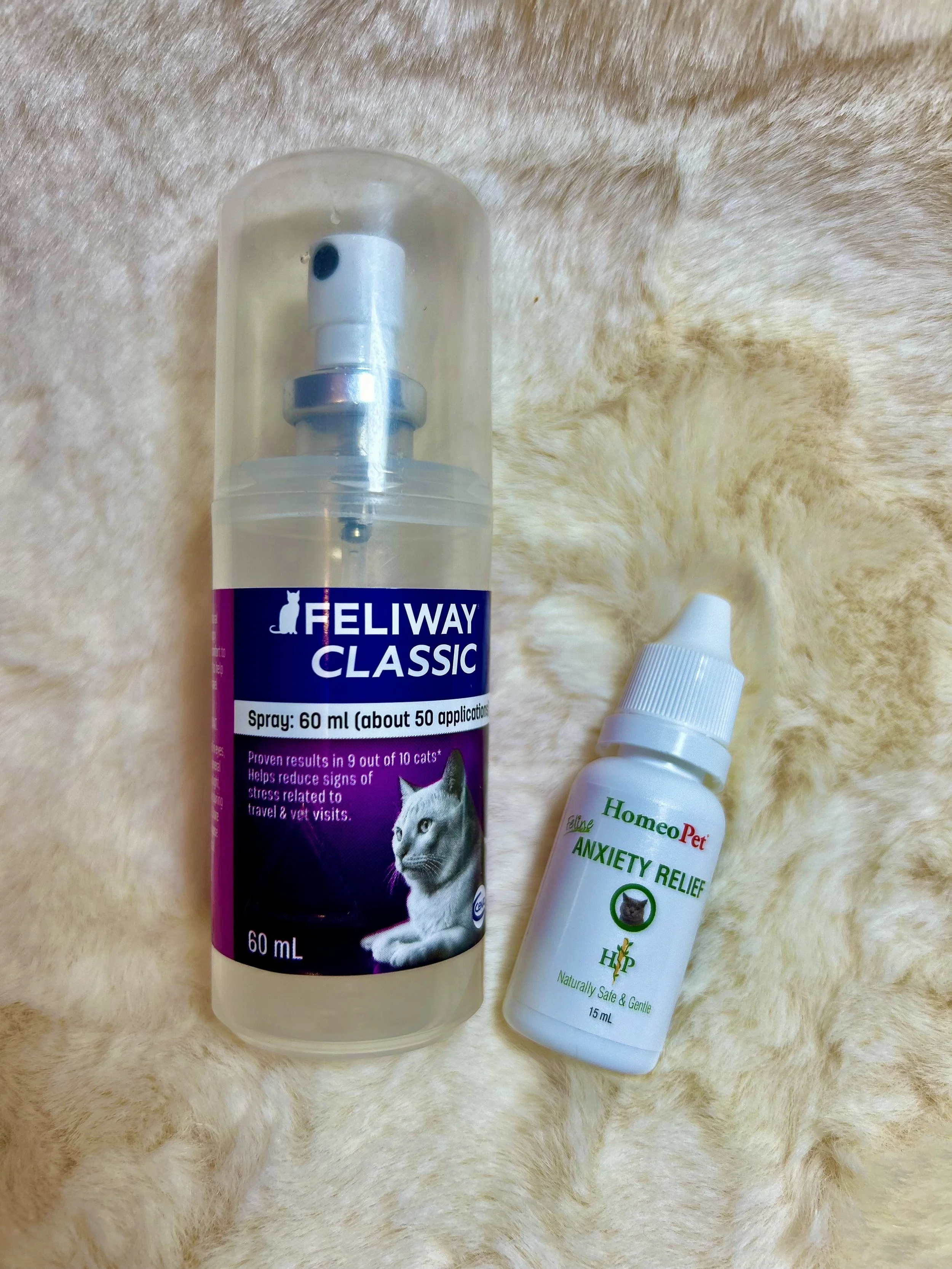
If your kitty feel nervous when you take him to the vet, on the flight or on adventure, these might come in handy to keep your kitty calm during the trip. Our vets are using Feliway Classic plug-ins to keep pets calm and happy. .
-
![Cute British Scottish Fold Straight Kitten For Sale In Vancouver Portland Seattle USA]()
Cats can certainly learn to enjoy car travel. The best time to teach them is when they’re very young. Wishing you and your kitty lots of fun during trips and adventures! Thinking of getting a leash? That would be a good idea. Safety first!
-
![Cute British Scottish Fold Straight Kitten For Sale In Vancouver Portland Seattle USA]()
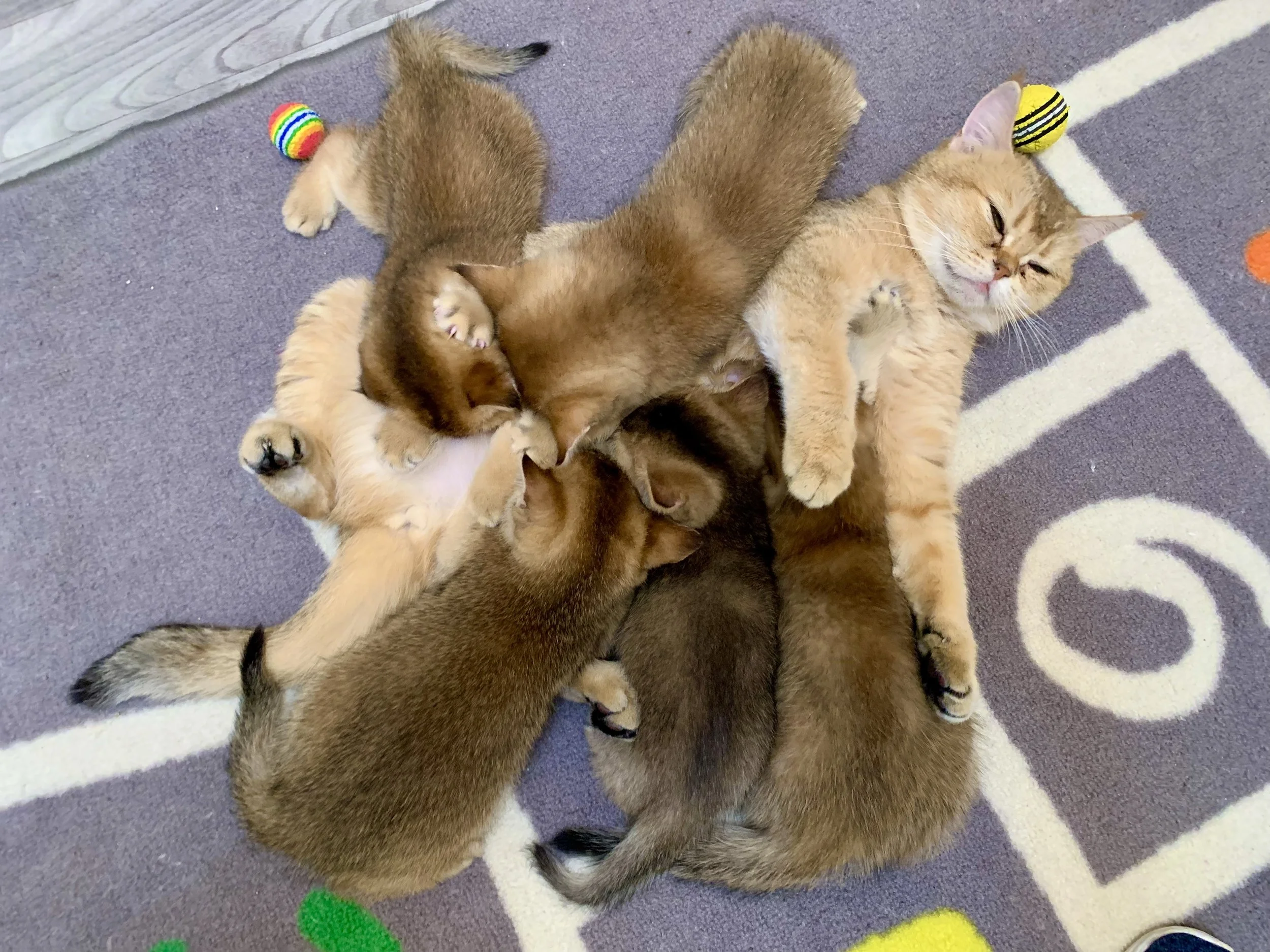
When your kitten has a buddy, they'll always be entertained, active & enriched. Two kittens keep each other occupied and out of trouble. They may also enjoy cuddling together, grooming each other & playing with each other. A happy cat makes a happy home!

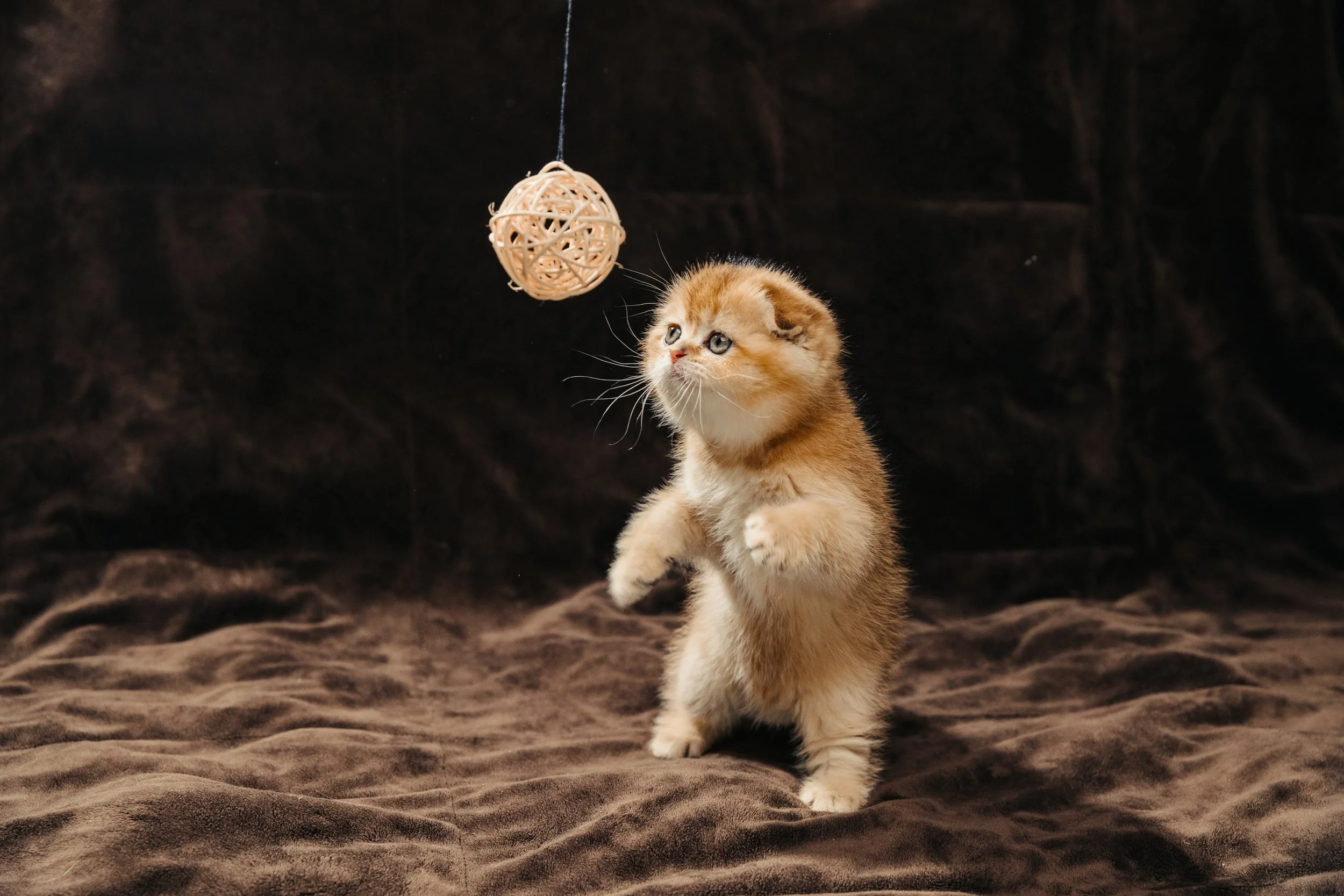






10 steps for caring for scottish fold kittens
Provide your Scottish fold kitten with a clean, safe, and comfortable environment. This includes a litter box, scratching post, and plenty of toys to keep them entertained.
Keep your Scottish fold kitten on a regular feeding schedule, providing them with a high-quality kitten food and plenty of fresh water. Keep water and food bowls far away from their litter box.
Take your Scottish fold kitten for regular check-ups and vaccinations to keep them healthy and up-to-date on their health care.
Groom your Scottish fold kitten regularly to keep their coat clean and healthy. This may include brushing, bathing, and nail trims as needed.
Keep your Scottish fold kitten indoors to protect them from dangers such as cars, predators, and other dangers.
Supervise young children interactions with Scottish kittens and teach them to be gentle with the kittens.
Provide your Scottish fold kitten with plenty of mental and physical stimulation through play, training, and interactive toys.
Keep your Scottish fold kitten's litter box clean to encourage good bathroom habits and prevent accidents.
Keep your Scottish fold kitten's claws trimmed to prevent accidental scratching of you, kids or furniture.
Show your Scottish fold kitten love and affection regularly through cuddles, playtime, and treats to keep them happy and well-adjusted.
What you NEED for your NEW Kitten
-Safe, small kitten proof room (slowly introduce them to your home)
-Medium size carrier so your kitty could use it when it becomes an adult
-Dry and soft Royal Canine Mother Babycat food since this is the food they are eating right now until 3-4 mo. Then, transfer them to Royal Canine Kitten food or a high-quality kitten food of your choice.
*Transfer kitten/cat to a new food slowly by adding 25% of a new food to the old one for the first 4 days, then 50% of the new food for next 4 days, then 75 % for another 4 days. After that, your kitten/cat can be 100% on a new food.
-Water & Food bowls: Ceramic preferably, not plastic! Use filtered water.
-Litter box with a Scoop, also a Mat to catch cat litter on the floor
-Cat Litter: Clay or Walnut Shells, clumping or not. But if you want to try crystal litter, wait until kitty is at least 6 month old.
-Scratch post
-Brush for brushing kitten’s fur, and giving your kitty some massage :)
-Nail clipper (carefully follow vet recommendation notes)
-Bed: open one or like a dome which is a warmer, safe and more cozy place
-Dewormer and flea treatment (consult your kitty’s vet)
-Probiotic for good gut health and strong immune system (consult your vet)
-Fish oil (Omega 3) for healthy skin and nice fur (start with a smaller dose and use it when your kitty is older - consult your vet)
-Treats (look for healthy ones) you will find out what’s your kitty’s favorite! Use it as a reward during clipping nails, or learning good habits or tricks.
-Lots of any kinds of cat toys! Kittens love exploring and playing with new things! Cat Towers have it all: space to hide and run, scratch post and toys!
Enjoy your new lovely furry friend!